You Won’t Believe What Surabaya’s Hidden Food Spots Look Like in Nature
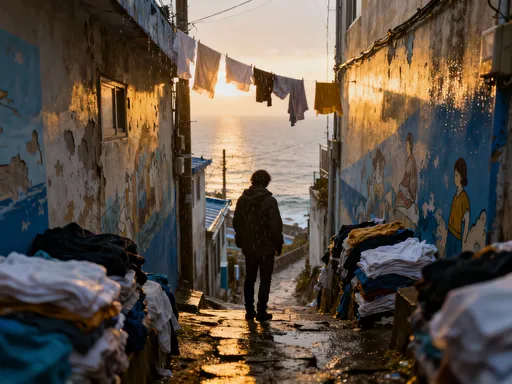
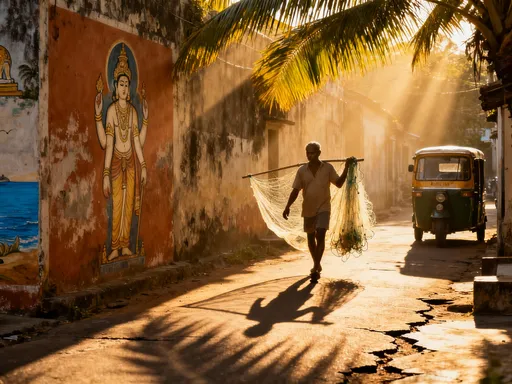
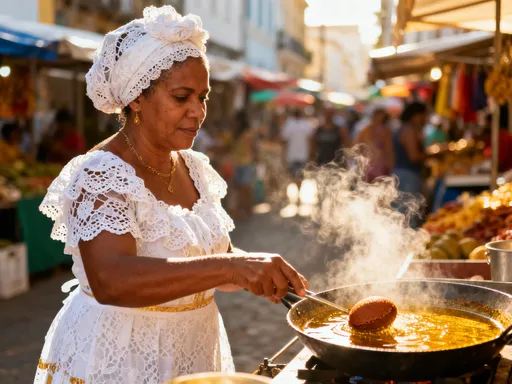
Surabaya isn’t just concrete and traffic—you gotta see how lush green spaces blend with street food magic. I stumbled upon warungs tucked beside rivers, markets blooming near parks, and flavors that explode under tropical trees. This is more than a city—it’s nature and taste colliding. If you think Indonesian food stops at Jakarta or Bali, think again. Surabaya’s secret? Real flavors, real landscapes, no filters. Here, the urban pulse doesn’t drown out the whisper of leaves or the ripple of water. Instead, it harmonizes with them. Street vendors set up beneath canopies of frangipani, where the scent of grilled meat mingles with morning dew. It’s a city that feeds both the body and the soul, where every bite tells a story shaped by soil, season, and generations of tradition. This is not tourism designed for cameras. It’s life, lived fully and tasted deeply.
Reimagining Surabaya: Beyond the Urban Hustle
Often labeled as Indonesia’s second-largest city and a hub of industry, Surabaya carries a reputation for relentless pace and dense development. Yet beneath this surface lies a quieter truth—one of rivers winding through neighborhoods, mangroves thriving in reclaimed wetlands, and community parks blooming in unexpected corners. The city’s green lungs, such as Mangrove Wisata Wonorejo, offer a striking contrast to its bustling commercial districts. Here, boardwalks stretch over tidal waters, where roots of mangrove trees anchor the shoreline and birds glide above in silence. What surprises most visitors is how seamlessly these natural spaces integrate with daily life. Families picnic on grassy knolls after weekend strolls, children chase dragonflies near lotus ponds, and nearby, the aroma of frying tempeh drifts from small food stalls.
Urban planning in Surabaya has increasingly embraced the idea of ecological balance. Green corridors have been preserved or restored along riverbanks, transforming once-neglected zones into vibrant public areas. These spaces are not merely decorative—they serve as gathering points where food culture flourishes organically. Take the Kalimas River revitalization project, for instance. Once polluted and overlooked, it now hosts a scenic promenade lined with trees and benches, where locals gather in the late afternoon to escape the heat. Vendors appear as the sun dips lower, setting up simple tables and grills, offering everything from sweet coconut drinks to spicy fried noodles. The rhythm here is natural: people come for the breeze, stay for the food, and leave with a sense of calm.
The sensory shift from Surabaya’s busy streets to its green sanctuaries is profound. Traffic noise fades, replaced by the rustle of palm fronds and the occasional call of a kingfisher. The air feels cooler, carrying hints of wet earth and jasmine. In these moments, the city reveals a different identity—not one of steel and smoke, but of life rooted in nature. It’s in these pockets that food becomes more than sustenance; it becomes part of an experience that nourishes the senses. For travelers seeking authenticity, these spaces offer a rare glimpse into how urban life can coexist with the environment, without sacrificing culture or flavor.
Where Nature Meets Noodle: The Rise of Outdoor Food Culture
In Surabaya, dining is often an open-air affair, especially when it comes to local favorites served in natural settings. A growing number of eateries, known as *lesehan*—where guests sit on floor mats or low wooden platforms—have emerged along riverbanks, within shaded gardens, and beneath clusters of banana trees. These spaces are not themed restaurants designed to mimic nature; they are embedded within it. One popular spot near the Wonokromo River offers a view of gentle currents reflecting the evening sky, while patrons enjoy sizzling plates of *sate klatak*, a Javanese-style goat satay marinated in turmeric and grilled over charcoal. The experience is immersive: the warmth of the fire, the flicker of lanterns, and the soft murmur of conversation blend into the night.
Locals favor these outdoor settings for more than just ambiance. The tropical climate makes indoor dining during peak hours uncomfortable, and natural ventilation provided by rivers and tree canopies offers relief. But beyond comfort, there’s a cultural connection to eating in nature. For generations, Javanese communities have gathered under trees for meals, ceremonies, and storytelling. This tradition persists in modern form, where families choose riverside warungs for weekend dinners or friends meet under starlight for late-night snacks. The presence of water is particularly valued—it cools the air, dampens dust, and carries away smoke from grills, creating a more pleasant environment.
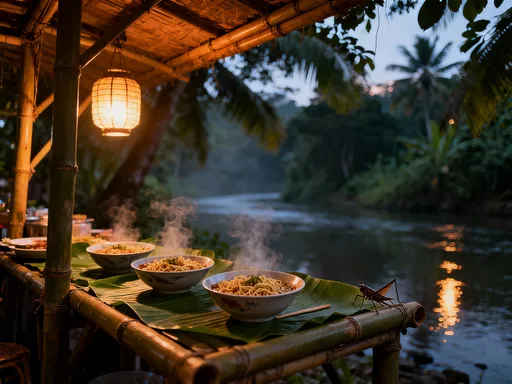
One memorable scene unfolds at a cluster of bamboo huts near a quiet canal in the Sukolilo district. As dusk settles, paper lanterns glow above low tables where bowls of *rujak cingur*—a spicy fruit and tripe salad—are served on banana leaves. The dish’s bold flavors—tangy tamarind, fiery chili, and earthy peanut sauce—contrast beautifully with the serene backdrop. Crickets begin their nightly chorus, and the occasional breeze stirs the water lilies floating nearby. There’s no loud music, no flashing signs—just the simplicity of good food shared in peace. This kind of dining doesn’t require luxury; it thrives on authenticity and atmosphere, proving that the best meals are often served where nature leads the way.
Hunting Hidden Warungs in Green Oases
For those willing to venture beyond main roads, Surabaya rewards with hidden warungs nestled in surprising green enclaves. These are not listed in glossy travel guides or pinned on international food apps. They are known through word of mouth, discovered by following the scent of grilled meat or the sound of sizzling oil. One such gem lies just behind an urban farming cooperative in Lidah Wetan, where rows of chili plants and leafy greens grow between residential blocks. A narrow footpath leads to a clearing where a family has operated a modest food stall for over two decades. Their specialty? *Lontong balap*, a Surabaya classic made with compressed rice cakes, fried tofu, bean sprouts, and a rich soy-based broth. The recipe has been passed down from grandmother to granddaughter, unchanged except for the occasional tweak based on seasonal ingredients.
What sets these hidden spots apart is their deep connection to place. The warung in Lidah Wetan sources vegetables from the adjacent farm, ensuring freshness and reducing transport waste. The seating area is shaded by jackfruit and rambutan trees, whose fruits sometimes appear on the menu when in season. Customers sit on wooden benches or squat on small stools, served by the same woman who prepares the food each morning. There’s no menu board—just a simple question: “Mau makan apa?” (What would you like to eat?). Even without speaking Bahasa Indonesia, gestures and smiles bridge the gap. Pointing at what others are eating usually works, and vendors are patient with newcomers.
Timing matters when visiting these spots. Most operate only in the late afternoon and evening, closing by 9 PM. Arriving early ensures a seat and the best selection, as portions are made in limited batches. Access is typically via local transport—angkot (minibuses) or ride-hailing services—which drop passengers within walking distance. While some locations lack formal signage, asking nearby residents often leads to a knowing nod and a quick direction. These warungs thrive because they serve real people with real tastes, not curated experiences for tourists. They represent a culinary heritage that values consistency, community, and connection to the land.
Markets with a View: Fresh Flavors in Open Air
Surabaya’s markets are more than places to shop—they are living ecosystems where food, culture, and nature intersect. Traditional bazaars like Pasar Atom have long been central to the city’s food identity, offering everything from dried spices to live poultry. But newer iterations are emerging in park-like environments, where open skies and tree cover replace fluorescent lights and concrete floors. Community markets held in green spaces, such as those near the Bungkul Park extension, draw crowds every weekend. These are not commercialized fairs but grassroots gatherings where local farmers, home cooks, and artisans come together. Stalls are set up under palm-thatched canopies, and pathways are lined with potted plants donated by neighborhood garden clubs.
The farm-to-table rhythm here is immediate and visible. Vegetables harvested that morning arrive in woven baskets, still damp with dew. Fish from nearby coastal ponds are displayed on beds of ice, their freshness evident in clear eyes and firm flesh. This proximity to source ensures that dishes served on-site—like steaming bowls of *bakso* (meatball soup) or grilled corn brushed with butter and chili—retain their integrity and flavor. Vendors often explain where their ingredients come from, taking pride in their origins. One stallholder in the East Surabaya Green Market points proudly to a photo of her family’s farm in Malang, where the tomatoes and eggplants used in her *gado-gado* are grown without chemical fertilizers.
A morning visit reveals the market at its most vibrant. Sunlight filters through coconut leaves, casting dappled shadows on the ground. The air is rich with layered scents: ripe mangoes, toasted peanuts, smoky grilled fish, and the faint petrichor after a brief rain shower. Children run between stalls clutching sugarcane juice in recycled bottles, while elders sip sweet jasmine tea on folding chairs. Fruit vendors arrange starfruit, snake fruit, and mangosteen in colorful pyramids, their displays resembling still-life paintings. These markets are not just about transactions—they are social hubs, places where relationships are nurtured over shared tastes. And because they exist in open-air settings, they remain in tune with the environment, adapting to weather, season, and community needs.
Eating with the Seasons: How Landscape Shapes Local Menus
In Surabaya, the menu changes with the sky. The city’s tropical monsoon climate—marked by distinct wet and dry seasons—directly influences what appears on plates across its food spots. During the rainy months, from November to March, demand rises for warm, hearty dishes that provide comfort against the cool dampness. *Soto ayam*, a fragrant chicken soup with turmeric broth and rice noodles, becomes a staple at roadside stalls. Similarly, *pindang daging*, a spiced beef stew slow-cooked with tamarind and lemongrass, gains popularity for its deep, warming flavor. These dishes are not just seasonal preferences—they are responses to environmental conditions, rooted in generations of culinary wisdom.
Conversely, the dry season, from May to September, brings a surge in grilled and roasted specialties. With lower humidity and clearer skies, open-flame cooking becomes more practical and enjoyable. *Sate Madura*, the island’s famous spicy satay, sees increased demand, often served with sweet soy sauce and raw shallots. Vendors take advantage of dry conditions to use traditional charcoal grills, which impart a smoky depth impossible to replicate indoors. Even street-side corn roasting becomes a common sight, with vendors rolling wooden carts through parks, calling out to passersby. The seasonal shift also affects ingredient availability. Rain-fed crops like certain leafy greens and water spinach thrive in wet months, while dry-season harvests favor cassava, peanuts, and drought-resistant herbs.
Some communities have adapted further by developing floating markets and mobile garden vendors that respond dynamically to environmental cycles. On the outskirts of Surabaya, near reclaimed wetland areas, small boats carry fresh produce from floating farms to riverside warungs. These aquatic markets operate mainly during high tide, ensuring easy access for both sellers and buyers. They exemplify a resilient food system—one that works with nature rather than against it. By aligning menus with seasonal rhythms, Surabaya’s food culture remains sustainable, flavorful, and deeply connected to its environment. It’s a reminder that true gastronomy isn’t just about technique; it’s about listening to the land.
Sustainable Bites: Eco-Friendly Practices in Street Food
Amid growing global concern over plastic waste, Surabaya’s street food scene quietly leads in low-impact dining. Many vendors continue age-old practices that prioritize sustainability, not as a trend but as tradition. Banana leaves remain a common serving medium, used to wrap *nasi campur* (mixed rice) or hold portions of *lumpia* (spring rolls). Unlike plastic, they are biodegradable, compostable, and impart a subtle aroma to the food. Some warungs have reintroduced reusable bamboo trays and ceramic bowls for on-site dining, collecting a small deposit to ensure return. These small choices add up, reducing the city’s reliance on single-use materials without compromising convenience.
Fuel sources also reflect environmental awareness. While some vendors use gas, many still rely on charcoal made from sustainably harvested coconut shells or wood scraps from local carpentry shops. This not only supports circular economies but also produces a cleaner burn than low-grade industrial coal. In certain districts, neighborhood cooperatives have begun collecting used cooking oil from warungs to convert into biodiesel for community vehicles. These grassroots initiatives, though modest, demonstrate a collective commitment to preserving the natural spaces where food is enjoyed.
Cleanliness campaigns further reinforce this ethos. Every Sunday morning in areas like the Wonorejo mangrove zone, volunteers gather to pick up litter, prune overgrown plants, and inspect drainage channels. Vendors participate willingly, knowing that a clean environment attracts more customers and ensures long-term viability. Some have adopted composting systems, turning food scraps into fertilizer for nearby urban gardens. These efforts are rarely publicized—they are simply part of daily responsibility. In a city where nature and nourishment are intertwined, sustainability isn’t a slogan; it’s a way of life. Every banana leaf, every reused tray, every shared garden plot strengthens the bond between people, food, and the earth.
Why This Experience Matters: Rediscovering Cities Through Food & Nature
Surabaya offers a powerful lesson in urban balance—one that other cities can learn from. At a time when metropolitan areas worldwide struggle with pollution, overcrowding, and disconnection from nature, Surabaya demonstrates how food culture can serve as a bridge back to the environment. Here, eating is not separated from ecology. Meals are shaped by seasons, served in green spaces, and rooted in community. The warung by the river, the market under the palms, the family meal beneath the stars—these are not escapes from the city, but expressions of its soul. They remind us that urban life doesn’t have to mean concrete isolation. It can mean shared tables, fresh air, and flavors that tell the story of place.
For travelers, this means redefining what it means to explore. Rather than chasing postcard landmarks, the most meaningful journeys often begin with a simple question: Where do people eat outside? The answer leads to parks, rivers, gardens, and the quiet corners where culture breathes naturally. In Surabaya, these moments are abundant. They invite mindfulness—not just in choosing what to eat, but in noticing where you are. The rustle of leaves, the flow of water, the warmth of a handmade bowl—these details ground the experience in reality. They foster gratitude for the land that feeds us and the hands that prepare it.
This is not just about food tourism. It’s about reimagining cities as living ecosystems where people, nature, and tradition coexist. Surabaya’s hidden food spots prove that authenticity doesn’t require isolation—it can thrive in the heart of urban life, as long as it’s nurtured with care. So the next time you plan a trip, let taste be your compass. But let nature be your guide. Seek the meals that grow from the soil, served under the sky, shared with neighbors. Because in the end, the most memorable bites are the ones that connect us—to flavor, to place, and to each other.