You Won't Believe These Hidden Viewpoints in Sydney
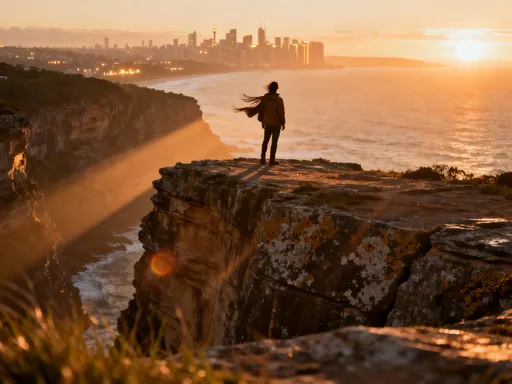
Sydney isn’t just about the Opera House and Harbour Bridge—there’s a whole other side hiding in plain sight. I’ve spent months chasing sunsets, climbing quiet trails, and stumbling on secret spots where the city unfolds like a living postcard. From elevated lookouts to tucked-away rooftops, these private viewpoints offer something the guidebooks don’t: real moments, untouched beauty, and that “I found this” thrill. Let me take you to the Sydney only locals *wish* they knew.
Beyond the Postcard: Rethinking Sydney’s Skyline
Sydney’s global reputation rests on two iconic structures—the gleaming sails of the Opera House and the towering steel arch of the Harbour Bridge. These landmarks are undeniably magnificent, drawing millions of visitors each year who line up for the perfect photograph. Yet, their omnipresence in travel media often reduces the city to a postcard image, flattening its depth and diversity. When every itinerary includes the same photo stops, travelers risk missing the subtle textures, shifting light, and quiet corners that give Sydney its soul.
Seeking alternative viewpoints transforms a surface-level visit into a meaningful exploration. It shifts the experience from passive observation to active discovery. Instead of simply seeing the city, you begin to understand its rhythm—the way morning fog clings to the harbor, how evening light gilds the western suburbs, or how the city pulses differently from above. This deeper engagement fosters a personal connection, one that lasts far beyond the vacation album.
Modern travelers are increasingly moving away from checklist tourism—what some call “打卡 tourism,” where the goal is simply to prove you were there. Instead, there’s a growing desire for immersive experiences that prioritize presence over posting. Choosing lesser-known vantage points aligns with this shift. It’s not about rejecting the famous sites altogether, but about complementing them with moments of authenticity. When you see Sydney from an unexpected angle, the city reveals new dimensions, inviting you to look closer, stay longer, and feel more.
The Magic of Elevated Solitude: Why Height + Privacy = Ultimate Views
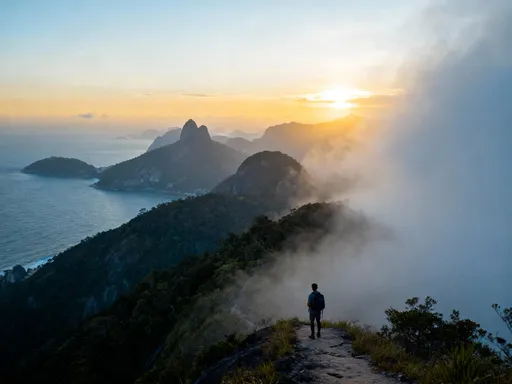
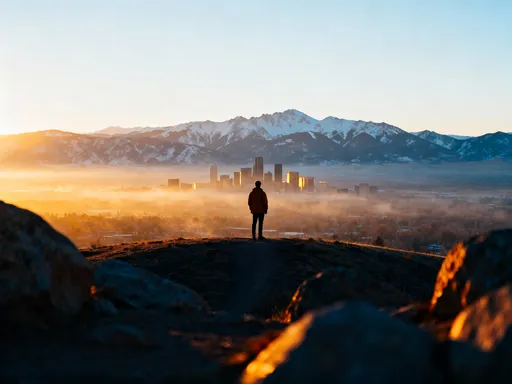
There’s a unique emotional resonance that comes from standing high above a city, surrounded by silence. When you’re perched on a secluded lookout, the world below transforms. Streets become intricate patterns, traffic flows like slow-moving veins, and city lights stretch into luminous rivers. This shift in perspective does more than offer a better photo—it alters your state of mind. The noise of daily life fades, replaced by a sense of calm clarity. In that stillness, you’re not just viewing the city; you’re reflecting on your place within it.
Elevation has long been associated with insight. Think of mountaintop revelations or quiet attic rooms in literature—spaces where clarity emerges. In urban environments, such moments are rare but powerful. Most popular lookouts, like those at Observatory Hill or Mrs. Macquarie’s Chair, are often crowded, especially at sunrise or sunset. While the views are undeniably beautiful, the experience can feel transactional: arrive, snap a photo, leave. In contrast, hidden elevated spots offer something more profound—space to breathe, to think, to simply be.
The demand for quiet, crowd-free experiences is growing. A 2022 travel trends report by the Australian Tourism Exchange highlighted that over 68% of domestic travelers now prioritize “peaceful, low-traffic destinations” when planning city getaways. This isn’t just about avoiding crowds—it’s about reclaiming presence in an age of constant stimulation. When you find a secluded viewpoint, you’re not just escaping noise; you’re creating room for wonder. Whether it’s a quiet hilltop in the western suburbs or a tucked-away coastal path, these elevated sanctuaries offer more than scenery—they offer perspective.
Western Suburbs’ Best-Kept Secret: The Lookout at Mount Keira (Illawarra Escarpment)
Just a short drive from the city’s edge, beyond the well-trodden paths of the Eastern Suburbs, lies a vantage point that remains remarkably under the radar: the lookout at Mount Keira, nestled within the Illawarra Escarpment. While not technically within Sydney’s metropolitan boundary, its proximity—about 85 kilometers south—makes it an accessible escape for those willing to venture beyond the usual routes. From this elevated perch, the city unfolds in a sweeping northward panorama, where urban sprawl meets coastal haze in a breathtaking convergence.
The journey to the summit is part of the experience. A well-maintained but lightly traveled trail winds through lush rainforest, passing ancient coachwood trees and the occasional lyrebird darting across the path. The ascent is moderate, suitable for most fitness levels, and takes roughly 45 minutes at a steady pace. Unlike the steep, crowded staircases of popular coastal tracks, this path offers a gentler rhythm, allowing hikers to absorb the sounds of rustling leaves and distant bird calls. The air grows cooler with elevation, carrying the earthy scent of damp soil and eucalyptus.
Reaching the summit rewards visitors with a 360-degree view that few expect so close to the city. To the north, Sydney’s skyline shimmers on the horizon, framed by the curve of the coastline. To the south, the escarpment drops into dense forest, a reminder of the region’s natural grandeur. Best visited in the early morning or late afternoon, the lookout avoids the midday glare and midweek crowds. Picnic tables and a small information board provide minimal infrastructure, preserving the sense of solitude. For those seeking a peaceful alternative to the bustling eastern lookouts, Mount Keira offers a rare combination of accessibility and tranquility.
Inner-City Gems: Rooftop Bars with Real Vistas (Not Just Hype)
For travelers who prefer urban comfort with a view, Sydney’s rooftop scene offers more than just Instagrammable cocktails. While many venues prioritize branding over authenticity, a few stand out for their unobstructed panoramas and understated elegance. Two in particular—Henry Deane in Ultimo and The Glenmore on George Street—deliver on both atmosphere and sightlines without the pretense.
Henry Deane, perched atop the Four Points by Sheraton, is a hidden gem often overlooked by tourists. Its elevated terrace faces west, offering a direct line of sight to the Harbour Bridge and the western reaches of the harbor. Unlike busier rooftops, it maintains a relaxed, low-key vibe. The drink menu emphasizes Australian spirits, with inventive gin-based cocktails that incorporate native botanicals like finger lime and wattleseed. Seating is spacious, and the best views are from the corner lounges on the northern side. For an optimal experience, arrive between 4:30 and 5:30 PM—early enough to secure a prime spot, late enough to catch the golden hour glow.
The Glenmore, located just steps from the Opera House, provides a different kind of intimacy. Its rooftop bar is smaller, with a charmingly rustic design that blends weathered timber and greenery. What sets it apart is the unimpeded view of the harbor’s northern curve, where ferries glide silently beneath the evening sky. The crowd tends to be a mix of locals and discerning visitors, drawn by the lack of cover charges and the genuine warmth of the staff. Drinks are classic and well-made—think crisp Australian chardonnay or a perfectly balanced negroni. For those wary of overpriced, overcrowded venues, The Glenmore proves that authenticity and atmosphere can still thrive in the city center.
Northern Beaches Whisper: A Hidden Clifftop Path Near Manly
Just a ferry ride from Circular Quay, Manly is a beloved destination for both tourists and Sydneysiders. But while most visitors stick to the bustling Corso and the main beach, a quieter adventure awaits just beyond North Head. Tucked away from the main trails is a lesser-known coastal path that winds along the clifftops, offering uninterrupted views of the Pacific Ocean. This stretch—often missed by guidebooks—feels like a secret, where the only sounds are the wind, the crash of waves, and the occasional cry of a seabird.
The path begins near the former quarantine station and follows the southern edge of North Head, hugging the coastline with minimal railings and few signs. It’s not for the faint of heart—some sections are narrow, and the drop to the ocean below is steep—but the sense of exposure only heightens the experience. The raw beauty of the cliffs, carved by centuries of wind and salt, creates a dramatic backdrop. At low tide, hidden coves become visible, their rock pools glistening like scattered jewels. On clear days, the horizon stretches endlessly, a deep blue line where sky meets sea.
For independent travelers, access is straightforward. The Manly ferry runs frequently from Circular Quay, taking about 30 minutes. From the wharf, it’s a 15-minute walk to North Head, passing through quiet residential streets. Comfortable walking shoes and a windbreaker are essential—the coastal breeze can be brisk, even in summer. While the area is generally safe, it’s wise to stay on marked paths and avoid the edges, especially in wet or windy conditions. This trail isn’t about convenience; it’s about immersion. Those who take the time to explore it are rewarded not just with views, but with a sense of discovery that few other city experiences can match.
The Art of Timing: Chasing Golden Hour Across Sydney’s Quiet Corners
In photography and in life, timing can transform the ordinary into the extraordinary. Nowhere is this more true than in a city like Sydney, where light plays a defining role in how we experience space. The golden hour—those fleeting moments just after sunrise and before sunset—casts the city in a warm, ethereal glow, softening edges and enhancing colors. For travelers seeking both beauty and solitude, mastering the art of timing is essential.
Three locations, in particular, offer exceptional golden hour experiences with minimal crowds. First is the western edge of Centennial Park, near the horse stables. From this vantage, the sun dips behind the city skyline, creating a silhouette of skyscrapers bathed in amber light. The park’s open fields provide ample space to spread a blanket and wait. Second is Balls Head Reserve, a small bushland peninsula in Mosman. Its elevated clearings face west, offering a panoramic view of the harbor as the light turns the water to liquid gold. Third is the Illawong Walking Track in the Royal National Park, where the coastal cliffs catch the last rays of the day, painting the sandstone in deep reds and oranges.
To make the most of these moments, a few strategies help. Check the local sunrise and sunset times daily, as they shift throughout the year. Arrive at least 30 minutes early to secure a good spot and settle in. Weekdays are consistently quieter than weekends, and overcast mornings often clear into stunning sunrise displays. Weather apps with cloud cover forecasts can guide your planning—sometimes a partly cloudy sky creates the most dramatic lighting. By aligning your schedule with nature’s rhythm, you trade crowded photo ops for intimate, unforgettable moments.
How to Find Your Own Secret Spot: A Local’s Mindset for Discovery
The most rewarding viewpoints are often the ones you find yourself. While curated lists and travel blogs have their place, true discovery comes from cultivating a local’s mindset—one rooted in curiosity, patience, and openness. It’s about slowing down, looking beyond the obvious, and engaging with the city as a living, evolving space rather than a static checklist of attractions.
One of the simplest yet most effective habits is talking to residents. Baristas, bookstore owners, park rangers, and even fellow hikers often hold the best-kept secrets. A casual conversation can lead to unexpected tips—like a quiet bench in a suburban park with a perfect view of the harbor, or a footpath that opens onto a hidden inlet. These insights are rarely found online, passed instead through word of mouth and shared appreciation.
Another powerful tool is the use of topographic maps. Unlike standard city maps, these reveal elevation changes, tree cover, and trail density—clues to where quiet viewpoints might exist. Online platforms like Google Earth or the NSW Geographical Names Board’s mapping service allow you to scout potential spots from afar. Look for high points near water, unmarked trails, or green spaces wedged between urban zones. Then, explore on foot. Walking off-grid—down side streets, through park entrances that don’t appear on tourist maps—often leads to the most surprising finds.
Ultimately, the best views aren’t advertised. They’re earned through effort, timing, and a willingness to wander without a fixed destination. They come to those who pause, who listen, who look up. In a city as vibrant and layered as Sydney, the next great vista isn’t on a billboard. It’s waiting where no one’s pointing—just beyond the well-worn path, just past the edge of the map, ready to be discovered by those who seek not just to see, but to feel.
Sydney reveals itself differently when you stop following the crowd. These viewpoints aren’t just about scenery—they represent moments of clarity, connection, and discovery. By choosing depth over convenience, privacy over popularity, you don’t just see the city—you feel it. The next great view isn’t on a billboard. It’s waiting where no one’s pointing.