You Won't Believe What Lies Beyond Dublin's Streets
When you think of Dublin, pubs and history might come to mind—but I never expected the wild beauty just beyond the city. Rolling hills, misty coastlines, and forests that feel untouched by time are all within reach. This isn’t just a city trip; it’s a gateway to Ireland’s soul. Let me take you where the pavement ends and nature begins. Just a short journey from the bustling heart of the capital, the landscape unfolds into something ancient and serene—where stone ruins whisper of monks and pilgrims, and cliffs rise dramatically above churning seas. This is a place where nature isn’t merely preserved; it’s lived with, respected, and celebrated. Whether you’re drawn to quiet forest trails, panoramic coastal walks, or the stillness of a mountain lake, Ireland offers a kind of renewal that only open skies and clean air can bring.
The Green Pulse of Dublin: Nature in the City
Dublin may be a capital city, but it pulses with green life. Unlike many urban centers that rise in concrete and glass, Dublin breathes through its parks, rivers, and tree-lined avenues. The River Liffey, a silvery ribbon threading through the city, draws walkers, cyclists, and dreamers to its banks each day. Along its course, swans glide past historic bridges, and willow trees dip their branches into the water, creating ripples that mirror the gentle pace of Irish life. It’s easy to forget you’re in a city when strolling along the Grand Canal, where houseboats bob beside flowerbeds bursting with color in the warmer months. The towpaths, once used by horses pulling barges, are now favorite routes for morning joggers and dog walkers who greet each other by name.
Phoenix Park, one of the largest enclosed city parks in Europe, is a testament to Dublin’s enduring bond with nature. Spanning over 1,700 acres, it hosts herds of wild deer that have roamed freely since the 17th century. Families picnic on its sun-dappled lawns, while cyclists weave through wooded lanes shaded by centuries-old oaks. The park is also home to the Dublin Zoo and Áras an Uachtaráin, the official residence of the President of Ireland, yet it never feels crowded or overdeveloped. Instead, it offers a rare balance—urban accessibility and wild tranquility coexisting in harmony. For many Dubliners, a walk here isn’t just recreation; it’s a daily ritual, a way to reset and reconnect.
Even smaller green spaces reveal the city’s quiet reverence for nature. The Iveagh Gardens, often called Dublin’s best-kept secret, mimic a romantic English landscape with waterfalls, grottoes, and winding paths. St. Stephen’s Green, in the city center, is more formal but no less inviting, with its ornamental lakes and resident ducks. These oases aren’t afterthoughts—they are essential to the city’s identity. For visitors, they offer a gentle introduction to Ireland’s deeper landscapes, preparing the spirit for what lies beyond the city limits. Dublin doesn’t just tolerate nature; it nurtures it, proving that urban life and natural beauty can thrive side by side.
Westward: Into the Wicklow Mountains
Leaving Dublin behind, the road to the Wicklow Mountains feels like stepping into another world. Within an hour by bus or car, the skyline shifts from rooftops to rugged peaks, and the air grows crisper, scented with pine and damp earth. Known as the “Garden County,” Wicklow is a patchwork of emerald valleys, rushing rivers, and dense woodlands that have inspired poets and painters for generations. This is Ireland at its most elemental—untamed, quiet, and deeply beautiful.
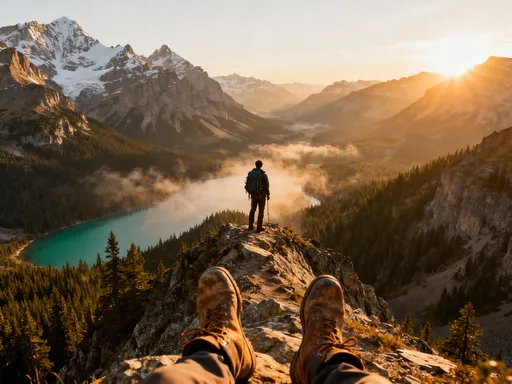
The Wicklow Way, one of Ireland’s oldest and most celebrated long-distance trails, begins just south of the city and stretches nearly 80 miles through the heart of the mountains. Hikers don’t need to complete the entire route to feel its magic. Even a few hours on the trail—say, from the Sally Gap to Lough Tay—offers sweeping views of glacial lakes and heather-covered slopes. The path is well-marked but never crowded, allowing for solitude and reflection. As you climb higher, the sounds of traffic fade, replaced by the rustle of wind through the trees and the distant call of a curlew.
One of the most iconic destinations along this route is Glendalough, a valley shaped by glaciers and sanctified by centuries of spiritual life. The journey there—whether by public bus from Dublin or a scenic drive through narrow mountain roads—builds anticipation. The landscape grows more dramatic with every turn: waterfalls tumble down mossy rocks, stone walls snake across hillsides, and sheep graze in fields that seem to roll forever. When Glendalough finally appears, nestled between two lakes and ringed by mountains, it feels less like a tourist stop and more like a discovery. The contrast between the city’s energy and this valley’s stillness is profound, reminding travelers that Ireland’s soul lies not in its cities, but in its quiet, enduring landscapes.
The Magic of Glendalough: Where History Meets Wilderness
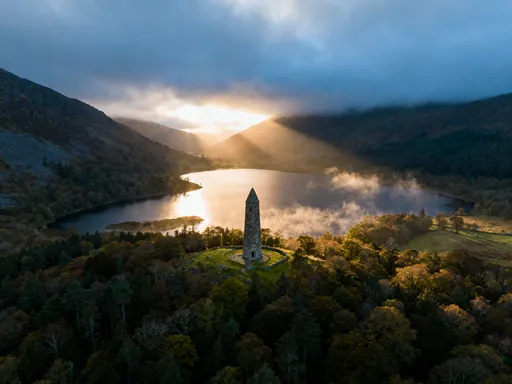
Glendalough is more than a scenic destination—it is a place where time seems to fold in on itself. The name means “Valley of the Two Lakes,” and from the moment you arrive, the landscape feels sacred. A single-lane road winds down into the valley, opening onto a scene of breathtaking harmony: still waters reflecting steep green hills, ancient stone ruins standing in quiet dignity, and a 30-meter-high round tower rising like a sentinel from the 10th century. This was once a monastic city, founded by St. Kevin in the 6th century, and though the monks are long gone, their presence lingers in the stones and the silence.
Walking through the monastic site, visitors pass crumbling churches, a stone altar, and high crosses weathered by centuries of wind and rain. The round tower, one of the most complete in Ireland, once served as a bell tower and refuge during raids. Today, it stands as a symbol of resilience and faith, drawing both pilgrims and photographers. But the true power of Glendalough lies not just in its ruins, but in its setting. The lakes—Upper and Lower—mirror the sky and mountains, changing color with the light. In the morning, they shimmer silver; by afternoon, they deepen to blue-green; at dusk, they glow like molten pewter.
The surrounding forest, part of the Wicklow Mountains National Park, enhances the sense of timelessness. Trails lead through oak and pine woods, past waterfalls, and up to viewpoints like the Spinc, where the entire valley unfolds below. The air is cool and fragrant, filled with the scent of moss and wet stone. Birdsong echoes in the distance—robins, wrens, and the occasional buzzard circling overhead. It’s easy to understand why St. Kevin chose this place for solitude and prayer. Even today, visitors report a deep sense of peace, as if the land itself invites reflection. Glendalough is not just a destination; it is an experience of history, nature, and spirit intertwined.
East Coast Escapes: Cliffs, Beaches, and Sea Air
While the Wicklow Mountains draw travelers inland, the eastern coast offers a different kind of wild beauty—rugged cliffs, sweeping bays, and the ever-present roar of the Irish Sea. Howth Head and Bray Head are two of the most accessible and rewarding coastal walks from Dublin, each offering panoramic views and a bracing sea breeze that clears the mind and lifts the spirit.
Howth, a fishing village just 13 kilometers northeast of the city, is beloved by locals for its fresh seafood and scenic trails. The Howth Summit Loop is a moderate 3.5-mile hike that circles the headland, passing stone walls, wildflowers, and dramatic cliffs that plunge into the sea. On clear days, the view stretches across Dublin Bay to the mountains of Meath and Louth. Seabirds—gulls, cormorants, and puffins in season—wheel above the waves, while seals often bask on the rocky outcrops below. The path is well-maintained but never crowded, making it ideal for families or solo walkers seeking both exercise and inspiration.
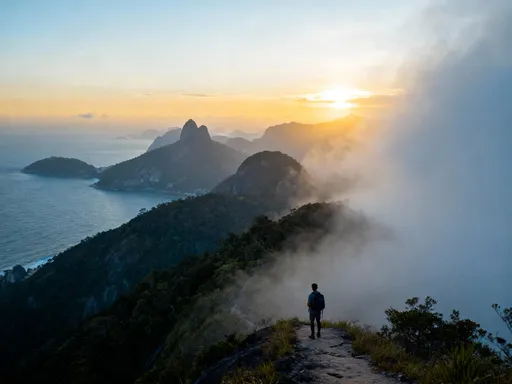
Further south, Bray Head offers an even more exhilarating climb. Connected to the famous Wicklow Way, this trail rises steeply from the seaside town of Bray, following an old pilgrim path known as the “Holy Well Route.” The ascent is challenging but rewarding, with each switchback revealing broader views of the coast. At the summit, a small stone cross marks the spot where medieval penitents once paused in prayer. Today, modern hikers pause for different reasons—awe, exhaustion, or simply the joy of being alive in such a beautiful place. The descent leads into the village of Greystones, where cafes and craft shops offer a warm welcome. These coastal walks are not just physical journeys; they are emotional resets, reminding us of the power and beauty of the natural world.
Hidden Valleys and Secret Lakes: Off-the-Beaten-Path Finds
Beyond the well-trodden trails of Glendalough and Howth lie quieter corners of Wicklow—places where solitude comes easily and the landscape feels untouched. Lough Dan, a long, narrow lake cradled between the mountains of Djouce and Tonelagee, is one such gem. Reached via a forest trail from the Sally Gap, it offers a sense of seclusion that’s rare near a capital city. The walk in—about 4.5 kilometers each way—is gentle but scenic, passing through pine woods and open moorland. When the lake appears, it often lies still as glass, reflecting the surrounding peaks.
The Sally Gap itself is a high mountain pass, dotted with standing stones and ringed by heather-covered hills. It’s a favorite spot for photographers at sunrise, when the mist rises from the valleys like breath. Nearby, the Djouce Wood Walk leads through a forest of beech and conifer to the summit of Djouce Mountain, where a stone shelter offers shelter from sudden showers. The view from the top encompasses much of central Wicklow, including Lough Tay—the “Guinness Lake” for its dark waters and creamy white beach—nestled in a glacial valley.
These lesser-known spots are not hidden because they are inaccessible, but because they require a willingness to wander without a crowd. They offer something increasingly rare: silence, space, and a direct connection to the land. For families or solo travelers, they provide safe, well-marked routes without the pressure of performance or pace. There are no ticket booths, no souvenir shops—just nature in its purest form. To visit them is to practice a kind of mindful tourism, where the journey matters more than the photo. And by respecting local guidelines—staying on paths, carrying out trash, avoiding fires—visitors help preserve these places for future generations.
Connecting with the Land: Local Traditions and Nature
In Ireland, nature is not just scenery—it is woven into culture, language, and daily life. From ancient myths of gods and giants to modern farming practices, the land is seen as a living, breathing presence. Seasonal festivals like Imbolc, Bealtaine, and Lughnasa mark the turning of the year with rituals tied to planting, harvest, and the natural cycle. Even today, many rural communities observe these rhythms, honoring the earth with quiet reverence.
Travelers can experience this connection through farm-to-table meals, where ingredients are sourced from nearby fields and dairies. In villages around Wicklow, family-run inns serve lamb raised on mountain pastures, vegetables grown in walled gardens, and honey from local hives. These meals are more than sustenance; they are stories on a plate, connecting diners to the soil and the seasons. Some farms offer tours, where visitors can meet the animals, learn about sustainable practices, and even help with milking or egg collection.
Local guides often share folklore as they lead walks through the hills. Tales of leprechauns, banshees, and ancient kings are not told as fairy stories, but as part of the land’s memory. A standing stone isn’t just a relic—it’s a doorway. A spring isn’t just water—it’s a blessing. This worldview encourages visitors to see nature not as a resource, but as a relative. By listening, respecting, and moving gently through the landscape, travelers become part of a long tradition of care and wonder. It’s a reminder that tourism, at its best, is not about taking, but about belonging—even if only for a day.
Planning Your Nature Escape: Practical Tips for an Immersive Trip
Exploring Ireland’s natural beauty beyond Dublin is easier than many expect, but a little preparation ensures a safe and fulfilling experience. Public transportation is reliable and scenic—trains run to Bray and Greystones, while buses serve Glendalough, Howth, and the Sally Gap. For greater flexibility, car rentals are widely available, though narrow mountain roads require cautious driving. Regardless of how you travel, always check weather forecasts; Irish conditions can change rapidly, and even a sunny morning can turn to rain by afternoon.
The best time to visit is from late spring to early autumn (May to September), when days are longer, temperatures milder, and trails drier. That said, spring brings wildflowers and rushing waterfalls, while autumn paints the hills in gold and crimson. Winter visits are possible but require proper gear and awareness of shorter daylight hours. Whatever the season, packing layers is essential: a waterproof jacket, sturdy walking shoes, a hat, and gloves can make the difference between comfort and hardship.
When hiking, carry water, snacks, a map or GPS device, and a fully charged phone. Many trails have no signal, so downloading offline maps in advance is wise. Always let someone know your route and expected return time. Respect conservation rules—stay on marked paths, avoid disturbing wildlife, and follow the “Leave No Trace” principles by packing out all waste. Support local economies by choosing family-run B&Bs, cafés, and eco-conscious tour operators. Finally, allow room for spontaneity. Some of the best moments—watching a deer cross a misty field, stumbling upon a hidden waterfall—happen when plans are set aside and curiosity takes over.
Dublin’s true magic isn’t just in its cobbled lanes or cozy pubs—it’s in the wild embrace of the landscapes waiting just outside. From misty valleys to ocean cliffs, these natural wonders don’t just impress; they transform. Step beyond the map, and let Ireland’s quiet beauty redefine your journey. In a world that often feels too loud and too fast, places like Glendalough, Howth, and the Wicklow Mountains offer something rare: stillness, space, and a deep connection to the earth. They remind us that adventure doesn’t always require faraway flights or exotic destinations. Sometimes, it’s just a short journey from the city, where the pavement ends and the soul begins to breathe.