You Won’t Believe What I Learned About Denver’s Viewpoints the Hard Way
Denver’s skyline and mountain backdrops promise epic views—but not all vantage points are created equal. I chased sunsets, hiked trails, and braved traffic just to find the perfect photo spot, only to be let down by crowds, closures, or plain bad timing. What should’ve been breathtaking moments turned frustrating—until I figured out the real secrets. This isn’t a guidebook fantasy; it’s a real traveler’s honest take on what *actually* works when chasing views in Denver. The city’s reputation for scenic beauty is well-earned, but the path to experiencing it authentically is paved with overlooked details, changing conditions, and hard-won lessons. What follows is not just a list of places, but a deeper understanding of how to truly see Denver.
The Allure of Denver’s Scenic Reputation
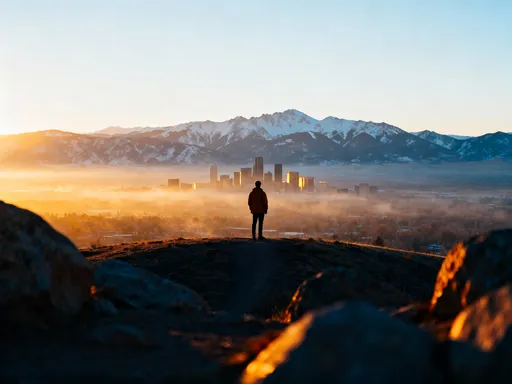
Denver’s visual appeal begins with its geography. Nestled at exactly one mile above sea level, the city sits at the edge of the Great Plains, where the land abruptly rises into the Rocky Mountains. This dramatic transition creates a natural stage for panoramic views, drawing photographers, hikers, and weekend travelers alike. The skyline, with its clusters of glass towers and historic buildings, contrasts beautifully against the snow-capped peaks that loom just west of the city. For many, the first glimpse of this juxtaposition—urban life meeting wild nature—is unforgettable.
Travel brochures and social media feeds amplify this allure. Images of golden-hour light washing over Red Rocks Amphitheatre, or the downtown skyline reflected in the calm waters of Sloan’s Lake, set high expectations. These visuals suggest that beauty is always accessible, always photogenic, and always waiting just around the corner. Platforms like Instagram and Pinterest have turned certain spots into must-visit icons, reinforcing the idea that if you go to the right place at the right time, magic will happen. But reality often tells a different story.
Consider Confluence Park, where the South Platte River and Cherry Creek meet. It’s frequently praised for offering a postcard-perfect view of downtown framed by trees and water. On clear mornings in spring or fall, this is true. But by midday in summer, the sun flattens the colors, and the park fills with cyclists, dog walkers, and tour groups, breaking the serenity. Similarly, Red Rocks, while undeniably stunning, can feel more like a crowded event venue than a natural wonder during peak season. The promise of beauty is real—but so are the conditions that can obscure it.
The emotional weight of these expectations cannot be underestimated. For many travelers, especially those planning short trips, capturing the perfect view feels essential. It’s not just about a photo; it’s about validation, memory-making, and connection to place. When the moment falls short—when the mountains are hidden behind haze, or the sunset is blocked by trees—disappointment can feel personal. This gap between expectation and experience is where many journeys begin to unravel. Recognizing this disconnect is the first step toward more meaningful viewing.
Overrated Viewpoints: When Hype Meets Disappointment
Some of Denver’s most recommended viewpoints fail to deliver, not because they lack potential, but because popularity has changed them. Mount Falcon Park, for example, appears on nearly every ‘best views near Denver’ list. The drive up offers winding roads and forested slopes, building anticipation. Yet upon arrival, many visitors find the main overlooks partially blocked by trees that have grown unchecked over the past decade. What was once an open vista is now a series of framed glimpses through branches.
Weekend visits compound the issue. Parking lots fill by mid-morning, and the short trails leading to viewpoints become congested. The experience shifts from peaceful observation to navigating a stream of fellow tourists, each hoping for the same unobstructed shot. Even with a tripod and patience, the light may be harsh, the sky hazy, or the mountains dulled by atmospheric conditions. The irony is that Mount Falcon still offers value—but only to those who adjust their expectations and timing.
Sloan’s Lake presents another case of overhyped accessibility. Located just a few miles from downtown, it’s an easy destination for families and casual photographers. At sunrise, the water can mirror the skyline perfectly, creating a serene composition. But by late afternoon, especially in summer, the lake is often affected by algal blooms and wind-driven ripples, ruining reflections. Worse, ongoing construction along the western shore has introduced cranes and fencing into what should be a natural frame.
These letdowns are not the fault of the locations themselves, but of outdated information and unchecked assumptions. Many online guides were written years ago, before tree growth, urban development, or increased visitation altered the landscape. Travelers who rely solely on these sources often arrive unprepared. The lesson is clear: popularity does not guarantee quality. A viewpoint’s reputation may be based on a moment in time that has passed. To avoid disappointment, it’s essential to seek recent reviews, check local park updates, and remain flexible about alternatives.
Timing Traps: Chasing Light That Never Comes
No factor affects a view more than timing—and no city illustrates this better than Denver. The region’s dramatic weather shifts, combined with seasonal air quality issues, mean that visibility can change drastically within hours. One morning, the Front Range may stretch clearly from Longs Peak to Pikes Peak; the next, a thick haze known locally as the “brown cloud” can obscure the mountains entirely. This phenomenon, caused by temperature inversions trapping pollutants, is most common in winter and summer, precisely when many travelers plan their trips.
I learned this the hard way during an early June hike to Echo Lake. I’d set my alarm for 4:30 a.m., packed a headlamp, and driven up Guanella Pass in near-darkness, determined to catch sunrise over the alpine water with Mount Bierstadt rising behind it. But when I arrived, a dense layer of fog clung to the surface of the lake, swallowing the peaks whole. For over an hour, I waited, hoping the light would burn it off. Instead, the fog thickened. By the time the sun rose, the view was still obscured. My effort, my gear, my planning—none of it mattered because I hadn’t checked the overnight humidity forecast.
This experience taught me to treat view-chasing like a science. Before any outing, I now consult multiple sources: the Colorado Department of Public Health’s air quality map, webcams from the Colorado Department of Transportation, and real-time photos on platforms like AllTrails or Windy.com. I pay attention to wind direction—westerly winds often clear the haze, while easterly flows trap it over the city. I also study the sun’s angle for the time of year, using apps like Sun Surveyor to predict exactly where light will fall on a given peak or skyline.
Season matters just as much. Late September and early October offer some of the clearest skies, with cooler temperatures reducing pollution buildup. Spring, especially April and May, brings fewer crowds and frequent snowmelt reflections in lower-elevation lakes. Summer, despite its long days, often delivers hazy afternoons due to afternoon thunderstorms and increased ozone. By aligning visits with favorable conditions, the odds of a rewarding view rise dramatically. Timing isn’t just about sunrise or sunset—it’s about understanding the full environmental picture.
Accessibility vs. Authenticity: The Hidden Trade-Off
One of the most consistent patterns in Denver’s viewing culture is the trade-off between convenience and quality. The easiest spots to reach are rarely the best. Take the overlook near the Wings Over the Rockies Air & Space Museum, located at the old Stapleton Airport. It’s free, well-marked, and offers a wide-angle view of downtown with the mountains behind. But a closer look reveals power lines cutting across the frame, a busy road at the base, and a chain-link fence that limits photography. The view is technically there—but it’s cluttered, noisy, and impersonal.
In contrast, quieter locations along Highway 6, west of Golden, offer unobstructed panoramas with no fences, no traffic noise, and no crowds. These pull-offs require a bit more effort to find and may lack signage, but they deliver a purer experience. The same applies to hidden trails near Morrison, where short hikes lead to elevated ridges with sweeping views of both the city and the foothills. The effort—whether it’s a ten-minute walk or a slightly longer drive—pays off in solitude and clarity.
This tension reflects a broader truth about travel: ease often comes at the cost of authenticity. The most accessible viewpoints are designed for volume, not intimacy. They accommodate buses, families, and casual visitors, which means they prioritize safety and convenience over scenic purity. Meanwhile, the places that feel magical—where the air is still, the light is soft, and the horizon stretches uninterrupted—are usually those that ask something in return: time, effort, or local knowledge.
For travelers willing to make that exchange, the rewards are significant. A sunrise seen from a quiet pullout on Turkey Creek Canyon, with only the sound of the river below, feels more meaningful than any crowded overlook. The act of seeking becomes part of the experience, deepening the connection to place. Authenticity isn’t found in convenience—it’s earned through intention.
Crowd Blind Spots: When Everyone’s at the Same Spot
No matter how beautiful a location is, crowds can ruin the experience. Washington Park, one of Denver’s most beloved green spaces, exemplifies this challenge. The east lagoon, often photographed with the city skyline in the distance, looks tranquil in online images. But on weekends, it’s a hub of activity—kayakers, picnickers, dog walkers, and strollers fill the paths. The reflection of the skyline shatters under paddle ripples, and every photo attempt includes at least one cyclist in the background.
The difference between a peaceful morning and a chaotic afternoon is staggering. I visited at 7:00 a.m. on a Tuesday in May and found the park nearly empty. Mist hovered over the water, birds called from the reeds, and the skyline emerged softly from the haze. Just two days later, at 5:00 p.m. on a Saturday, the same spot was unrecognizable—packed with people, loud with conversation, and visually cluttered. The view hadn’t changed, but the atmosphere had.
This pattern repeats across the region. Red Rocks is quieter on weekday mornings; the trails at Roxborough State Park see fewer visitors before 8:00 a.m.; even popular spots like Confluence Park are more serene on rainy days. The key is not just choosing *where* to go, but *when*. Many travelers assume that the best light—golden hour—must coincide with the best experience. But golden hour also coincides with peak visitation. Shifting by just 30 to 60 minutes can make all the difference.
Modern tools can help. Apps like AllTrails and Google Maps now include crowd-sourced data on peak hours. Checking these before departure allows for smarter planning. Additionally, signing up for park alerts or following local hiking groups on social media can provide real-time updates on congestion. The goal isn’t to avoid people entirely, but to find moments of stillness within the rhythm of the city. Solitude, even brief, transforms a view from a photo op into a memory.
Urban Myths: Misguided Advice That Leads Nowhere
The internet is full of well-meaning but outdated travel advice. One common myth is that “all rooftops in Denver have great views.” While some do—like the rooftop bar at The Maven Hotel—others are partially blocked by adjacent buildings, have tinted glass, or face the wrong direction. Not every high floor offers a mountain vista. Another myth is that “any pullout on I-70 near Golden has a photo spot.” In reality, many curves are designed for safety, not sightseeing, and stopping is either prohibited or dangerous.
These misconceptions often stem from influencer content that prioritizes aesthetics over accuracy. A photo may look stunning, but it could have been taken under rare conditions—after a snowstorm, during a temperature inversion that created unique light, or with heavy editing. When travelers replicate the attempt without understanding the context, they’re left confused and disappointed.
Another widespread belief is that “you can see the mountains from anywhere in Denver.” While the city’s elevation helps, tall buildings, trees, and atmospheric conditions often block the view. Even residents sometimes forget that visibility varies block by block. Relying on generalizations leads to wasted trips and frustration.
The solution is verification. Instead of trusting a single blog or Instagram post, cross-reference with recent visitor reviews, check official park websites, and consult real-time photo platforms like ViewRanger or PeakFinder. Engaging with local Facebook groups or Reddit threads—such as r/Denver or r/Colorado—can also provide honest, up-to-date insights. The most reliable advice often comes from those who live with the conditions daily, not those passing through.
Smart Viewing: How to Actually Find the Best Spots
After years of trial and error, I’ve developed a practical framework for finding the best views in Denver. It starts with research. I use AllTrails to identify trails with high photo ratings and recent activity logs. Webcams from CDOT and the National Weather Service help me assess current visibility. I also check time-lapse photography sites like Clime to understand how light moves across key landmarks throughout the day.
Seasonal planning is equally important. Fall and spring offer the clearest air, fewer bugs, and softer light. Winter mornings, though cold, often provide the sharpest mountain visibility due to stable air masses. Summer requires more caution—afternoon storms can roll in quickly, and haze builds by midday. I now plan summer outings for early morning only, returning by noon.
Location-wise, I’ve discovered underrated gems. The Dakota Ridge Trail, southwest of Littleton, offers sweeping views with minimal foot traffic. Quiet corners of Cheesman Park, away from the main paths, provide elegant skyline glimpses framed by trees. Even neighborhood streets in Hilltop or Observatory Park can deliver surprising vistas if you know where to stand.
But beyond tools and timing, the most important shift has been mental. Great views are not just about geography—they’re about presence. Putting down the phone, breathing deeply, and simply absorbing the moment often brings more joy than any photograph. Preparation increases the odds of success, but patience and openness ensure the experience resonates. The best views aren’t just seen—they’re felt.
Conclusion
True viewing joy in Denver isn’t found in ticking off famous spots—it’s in avoiding the traps, adapting to conditions, and discovering moments of quiet awe away from the noise. The mountain backdrop remains stunning, but the experience depends on wisdom, not just wonder. With the right approach, the real beauty reveals itself. It’s in the early morning stillness, the unobstructed horizon, the unshared moment that belongs only to you. Denver’s views are not lost—they’re waiting for those who look with more than their eyes.