What I Found Driving Through Germany’s Black Forest Will Blow Your Mind
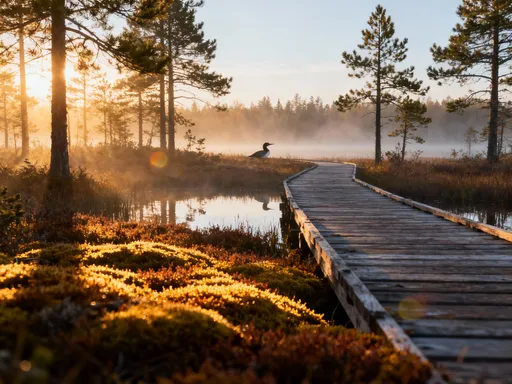
Driving through Germany’s Black Forest felt like stepping into a fairy tale—lush pines, misty valleys, and charming villages straight out of a storybook. But what truly surprised me? The region’s specialty products, hidden in plain sight. From smoky hams to handmade cuckoo clocks, every stop offered something authentic. You won’t believe how easy it is to discover these gems when you’re behind the wheel, free to explore at your own pace. This is not just a scenic drive; it’s a journey into centuries-old traditions, where craftsmanship and flavor are preserved with pride. The forest doesn’t just look magical—it tastes, sounds, and feels that way too.
Why Self-Driving Is the Ultimate Way to Explore the Black Forest
The Black Forest stretches across more than 6,000 square miles of southwestern Germany, a vast expanse of evergreen peaks, winding rivers, and quiet hamlets tucked into mountain folds. To truly experience its depth and diversity, nothing compares to traveling by car. Public transportation offers access to major towns like Freiburg and Baden-Baden, but it rarely reaches the secluded valleys and forest-clearing villages where the region’s most authentic traditions thrive. A rental car grants travelers the freedom to wander without schedules, detour on impulse, and pause where the road reveals something unexpected—like a roadside stand selling honey jars labeled in neat cursive or a hand-painted sign pointing down a gravel path to a family smokehouse.
One of the most rewarding routes is the Schwarzwaldhochstraße, or Black Forest High Road, which runs roughly 60 kilometers from Baden-Baden to Freudenstadt. Elevated between 800 and 1,000 meters above sea level, this scenic byway cuts through dense fir and spruce forests, offering panoramic views of rolling hills and distant church steeples. Along the way, pull-offs invite quiet contemplation, and well-marked trails lead into the woods. But more than just a visual feast, the route connects travelers to rural artisans and food producers who rely on passing visitors for their livelihoods. These are not roadside attractions designed for mass tourism—they are real working farms, workshops, and family-run businesses that thrive because someone decided to take the next exit.
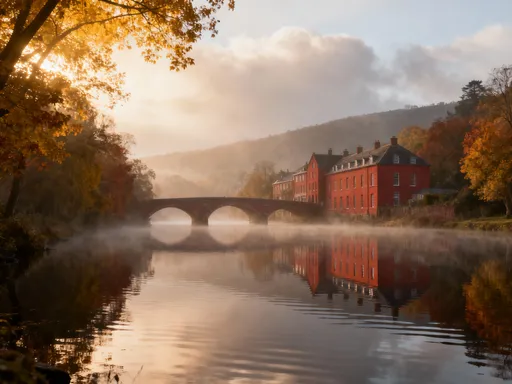
Driving also allows for flexibility in timing. The best moments in the Black Forest often happen in the early morning, when mist still clings to the treetops and village bakeries begin filling with the scent of fresh bread. Or in late afternoon, when sunlight slants through the pines and local markets are packed with seasonal produce. Without the constraints of train timetables, travelers can align their journey with local rhythms. Spring brings wild garlic and asparagus festivals, summer opens hiking trails and open-air concerts, autumn delivers apple harvests and wine tastings, and winter transforms villages into storybook scenes dusted with snow—each season offering unique opportunities to engage with the culture.
Equally important is the spontaneity of discovery. A hand-carved wooden sign might catch your eye, leading you to a clockmaker who has spent 40 years perfecting his craft. Or a farmer waving from his field might invite you to sample freshly pressed apple juice. These interactions are not found in guidebooks. They emerge because you are moving slowly, paying attention, and have the ability to stop. In a world where tourism often feels curated and crowded, self-driving through the Black Forest offers a rare chance to experience genuine connection.
The Black Forest Ham Trail: A Taste of Tradition
Among the most iconic products of the region is Schwarzwälder Schinken—Black Forest ham—a cured meat with a legacy that spans generations. Recognized with Protected Geographical Indication (PGI) status by the European Union, authentic Black Forest ham must be produced within the Black Forest region, using specific methods that have changed little over time. The process begins with high-quality pork legs, which are dry-cured with a mixture of salt, garlic, coriander, and other spices for several weeks. After curing, the hams are cold-smoked over pine and fir wood, giving them their distinctive aroma and deep mahogany color. Finally, they are air-dried for months in the cool, moist forest climate, allowing natural molds to develop on the surface—a sign of traditional craftsmanship.
Visiting a local smokehouse offers an unforgettable sensory experience. The air is rich with the scent of woodsmoke and curing meat, and rows of hams hang from wooden rafters like relics of a bygone era. In small towns like Hinterzarten and Baiersbronn, family-run butchers still follow these methods with pride. Some, like the Metzgerei Müller in Todtmoos, have been operating for over a century, passing down recipes and techniques from father to son. Travelers are often welcomed with a slice of freshly shaved ham—thin, tender, and subtly smoky—served with dark rye bread and a glass of local beer. The flavor is complex: salty, slightly sweet, with a whisper of pine that speaks directly to the forest itself.
For those interested in taking a piece of the tradition home, most producers sell vacuum-sealed portions suitable for international travel. It’s important to note that while cured meats can generally be brought into many countries, customs regulations vary—especially in the United States and Australia—so checking ahead is wise. When stored properly, Black Forest ham can last for weeks in a refrigerator and even longer when frozen. It’s perfect for charcuterie boards, sandwiches, or simply enjoyed with a crusty baguette and mustard. More than a snack, it’s a tangible connection to a place where time moves slowly and quality matters.
What makes this experience truly special is not just the taste, but the story behind it. In an age of industrial food production, finding a product made by hand, with care and patience, feels like a quiet rebellion. Every bite of Schwarzwälder Schinken is a reminder that some things cannot be rushed—and that the best flavors are often born from tradition, not efficiency.
Chasing Clocks: Inside the Cuckoo Craftsmanship
No symbol captures the spirit of the Black Forest quite like the cuckoo clock. For centuries, these intricate timepieces have ticked in homes across the region, their cheerful calls marking the hours with a melody both nostalgic and comforting. The craft originated in the 18th century, when local woodcarvers began building clocks using timber from the surrounding forests. Today, towns like Furtwangen and Triberg remain the heart of this tradition, housing museums, workshops, and generations of skilled artisans who continue to build these clocks by hand.
A visit to one of these workshops is like stepping into a living museum. In Furtwangen, the German Clock Museum traces the evolution of timekeeping in the region, displaying over 8,000 timepieces, including rare antique cuckoo clocks with hand-painted dials and animated figurines. But the real magic happens in small family studios, where carvers shape clock cases from linden and fir wood, and mechanics assemble the delicate bellows and gears that power the cuckoo call. In Triberg, a third-generation clockmaker might invite you to watch as he adjusts the tiny pipes that produce the bird’s call—two small wooden bellows, one for the “cuck,” one for the “oo,” working in perfect harmony.
What distinguishes an authentic Black Forest cuckoo clock from a mass-produced souvenir? Several key details. First, the label: genuine clocks carry a certificate of authenticity and the phrase “Original Black Forest Clock,” often hand-signed by the maker. Second, the materials: real cuckoo clocks are made entirely of wood—no plastic components. Third, the movement: mechanical clocks, powered by weights and chains, are preferred over battery-operated versions. And finally, the craftsmanship: look for hand-carved details, such as deer, pinecones, or flowing water motifs, which reflect the natural beauty of the region.
For travelers, purchasing a cuckoo clock is more than a shopping decision—it’s an investment in heritage. While prices vary, a high-quality, two-day mechanical clock can range from 200 to 800 euros, depending on size and detail. Many workshops offer customization, allowing buyers to select carvings or melodies. And because the clocks are delicate, most sellers will pack them securely for transport, often including setup instructions and a maintenance guide. Owning one is not just about telling time; it’s about carrying a piece of the forest’s soul into your home.
Kirsch and Beyond: The Spirit of the Forest in a Bottle
If the cuckoo clock is the sound of the Black Forest, then Kirschwasser—the clear cherry brandy—is its spirit, distilled into liquid form. Made from wild sour cherries (known locally as Vogelkirschen), this potent schnapps is a regional specialty with a bold, clean flavor and an alcohol content that often exceeds 40%. The cherries are harvested in summer, crushed with their pits, and fermented before being double-distilled in small copper stills. The pits contribute a subtle almond note, giving Kirschwasser its distinctive aroma. When sipped slowly from a chilled glass, it warms the chest and carries the essence of sun-ripened fruit and forest air.
Family-run distilleries, known as Brennereien, are scattered throughout the region, often operating out of converted barns or stone cottages. In the village of Gutach, one distiller might welcome guests with a tasting on a wooden porch overlooking his orchard, explaining how he uses only fruit from trees that grow at high altitudes, where the cooler climate enhances flavor. These visits are not commercial tours—they are personal invitations. Many producers limit distillation to a few weeks each year, making their bottles rare and sought after. Alongside Kirschwasser, they may offer other fruit-based spirits: Williamsbirne (pear brandy), Himbeergeist (raspberry schnapps), or Zwetschgenwasser (plum brandy), each reflecting the seasonal bounty of the forest.
Of course, tasting these spirits requires responsibility. Driving under the influence is strictly illegal in Germany, and rural roads demand full attention. The best approach is to designate a non-drinker in your group or to schedule tastings at the end of the day. Many distilleries offer small sample bottles or gift sets, allowing you to enjoy the flavors later. Some even provide non-alcoholic cherry syrups or fruit juices for families. For those who appreciate craft spirits, a visit to a Brennerei is a highlight of any Black Forest journey—not for the buzz, but for the connection to land, season, and tradition.
Sweet Stops: From Black Forest Cake to Forest Honey
No trip to the region is complete without tasting the legendary Schwarzwälder Kirschtorte—Black Forest cake. While versions of this dessert exist worldwide, the original, made on-site, is a revelation. Layers of rich chocolate sponge cake are soaked in Kirschwasser, then filled with whipped cream and Morello cherries. The entire cake is then coated in more cream and garnished with chocolate shavings and fresh cherries. The result is a perfect balance of bitter, sweet, and tart—a dessert that feels both indulgent and harmonious.
Traditional bakeries in towns like Triberg, Gengenbach, and Haslach take pride in making their cakes fresh daily. In some, the recipe has been unchanged for decades. One café in Hausach might serve slices so generous they require two forks, while a family-run bakery in Schiltach offers mini versions in edible paper cups—perfect for eating on a park bench. The key to authenticity lies in the ingredients: real cream (not whipped topping), quality chocolate, and, crucially, genuine Kirschwasser. When made with care, the cake is not overly sweet; the alcohol cuts through the richness, elevating the flavor.
Equally enchanting is the region’s honey, produced by beekeepers who place their hives in forest clearings and alpine meadows. Unlike commercial honey, Black Forest honey varies by season and location. Spring yields light, floral varieties from wildflowers and fruit blossoms, while late summer brings darker, more robust honeys infused with fir nectar and mountain herbs. Sold at farmers’ markets or roadside stalls, these honeys often come in hand-labeled jars with the beekeeper’s name and harvest date. Some even include comb pieces for added texture. Spread on fresh bread or stirred into tea, this honey tastes of sunlight, pine, and earth—a true taste of the forest.
Finding Hidden Producers: How to Spot Authenticity
With so many souvenirs available, distinguishing genuine craftsmanship from mass-produced imitations can be challenging. The key is to look for signs of authenticity. The “Schwarzwälder” certification, awarded by a regional association, guarantees that a product—whether ham, clock, or honey—was made in the Black Forest using traditional methods. Packaging with a family name, handwritten labels, or references to a specific village are also good indicators. Farm-to-table signs, such as “Hofverkauf” (farm sale) or “Selbstbedienung” (self-service), often lead to the most genuine experiences.
Local tourist offices are invaluable resources. They provide regional food maps, event calendars, and recommendations for open workshops and markets. In winter, the Christmas markets in Freiburg and Villingen-Schwenningen feature only verified local vendors. Word of mouth also plays a role—a conversation with a hotel owner or a fellow traveler might reveal a hidden jam maker or a woodcarver who only opens on weekends. These discoveries are often the most memorable, precisely because they feel unscripted.
One traveler might recall stopping at a wooden stall near St. Märgen, where an elderly woman sold jars of elderberry jam made from berries she foraged herself. Another might describe a chance visit to a pottery studio in Wolfach, where the artist demonstrated how she uses local clay. These moments cannot be planned, but they can be cultivated by staying curious, asking questions, and being open to detours. In the Black Forest, the best experiences are rarely found on the main road.
Practical Tips for a Smooth, Rewarding Road Trip
Driving through the Black Forest is a pleasure, but a few practical considerations ensure a seamless journey. Fuel stations are plentiful in towns but can be sparse in remote areas, so refueling when possible is wise. Parking in historic centers is often limited—many old towns have pedestrian zones—but designated lots are usually within walking distance. In winter, roads may be icy, and snow chains are sometimes required; checking local conditions before departure is essential. GPS signals can weaken in deep valleys, so carrying a physical map or downloading offline navigation is recommended.
For food lovers, packing a small cooler is a smart move. It allows you to store perishable items like ham, cheese, and fresh cream cakes without worry. Many roadside vendors accept cash only, especially in rural areas, so carrying euros in small denominations is helpful. Local apps, such as “Black Forest Travel” or “Schwarzwald Tourismus,” provide real-time updates on market hours, workshop openings, and seasonal events. Travelers who plan around these details often find their experience richer and more relaxed.
Ultimately, the joy of this journey lies in its pace. This is not a race from landmark to landmark, but a slow immersion into a culture that values patience, precision, and pride in craft. Each product—whether a slice of ham, a drop of schnapps, or a hand-carved clock—is a testament to a way of life that resists haste. By driving through the Black Forest, you don’t just pass through a landscape—you become part of its rhythm.
The Black Forest isn’t just about scenery—it’s a living pantry of tradition, craftsmanship, and taste. By driving through it, you don’t just see the region—you experience it, bite by bite, moment by moment. These specialty products aren’t just souvenirs; they’re stories in your hands. Hit the road, stay curious, and let the forest surprise you.