You Won’t Believe What I Saw on My Sunrise Safari in Kruger
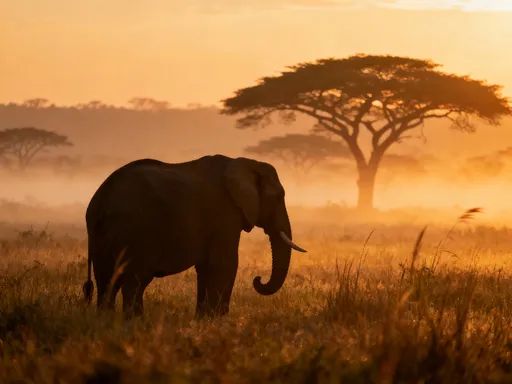
Waking up before dawn in Kruger National Park, I had no idea what was waiting in the golden light. The air was crisp, the bushveld silent—until a lion’s roar shattered the stillness. From close-up elephant encounters to leopards draped over tree branches, every turn brought something wilder than I’d imagined. This isn’t just a safari; it’s a front-row seat to nature’s raw beauty. Let me take you through the moments that left me breathless—and how you can experience them too.
Why Kruger Stands Out for Wildlife Viewing
Kruger National Park is not just one of Africa’s largest game reserves—it is a living mosaic of ecosystems stretching nearly 20,000 square kilometers across northeastern South Africa. Its vastness alone makes it exceptional, but what truly sets Kruger apart is the remarkable density and diversity of wildlife found within its boundaries. Here, the Big Five—lion, leopard, rhinoceros, elephant, and buffalo—are not rare legends whispered by guides, but real, present, and often visible. Unlike more remote parks that require charter flights and deep-pocketed budgets, Kruger offers a rare balance: accessibility without sacrificing authenticity. Well-maintained roads, clear signage, and a network of rest camps make it ideal for self-drive travelers, while its more remote northern and western regions provide the solitude and wilderness feel sought by seasoned safari enthusiasts.
The park’s ecological range plays a crucial role in its wildlife abundance. From open savannas in the central zones to dense riverine forests along the Sabie and Olifants Rivers, and from thorny thickets in the north to granite outcrops in the south, Kruger supports over 147 mammal species. This variety of habitats ensures that animals have distinct zones for feeding, resting, and sheltering, increasing the likelihood of sightings across different areas. For example, the southern region, with its higher concentration of acacia woodlands and permanent water sources, tends to attract larger herds of elephant and buffalo. Meanwhile, the central grasslands are prime lion territory, where open vistas allow for easier spotting of prides on the move.
Timing and location are equally critical. Animals in Kruger are most active during the cooler hours of early morning and late afternoon. During midday, especially in summer, many retreat to shaded thickets or wallow in muddy waterholes to escape the heat. This means that visitors who plan their drives around dawn and dusk dramatically increase their chances of witnessing natural behaviors—hunting, feeding, socializing—rather than just catching glimpses of resting animals. Additionally, seasonal patterns influence animal distribution. In the dry winter months (May to September), water becomes scarce, drawing wildlife to remaining rivers and artificial waterholes, making these areas high-yield zones for game viewing. The wet season brings lush vegetation but also denser cover, which can make spotting more challenging, though it rewards travelers with newborn animals and vibrant birdlife.
Choosing the Right Entry Gate and Rest Camp
Your safari experience in Kruger begins long before you spot your first animal—it starts with choosing the right entry gate and rest camp. Each access point opens into a distinct region of the park, offering different landscapes, wildlife densities, and crowd levels. For first-time visitors, Skukuza Rest Camp is often the ideal starting point. Located in the southern region, it is the largest and most developed camp, offering full amenities including a fuel station, grocery store, clinic, and restaurant. Its central location provides quick access to a variety of habitats, and the surrounding roads are well-known for frequent elephant, giraffe, and crocodile sightings along the Sabie River. Because of its accessibility, Skukuza attracts more visitors, but its extensive road network allows travelers to move beyond the immediate area and find solitude within minutes.
For those specifically seeking big cat sightings, Satara Rest Camp in the central plains is widely regarded as one of the best locations. This area is renowned for its high density of lions, and it’s not uncommon to see multiple prides during a single drive. The open grasslands resemble the Serengeti in structure, offering long sightlines that make it easier to spot predators on the hunt or resting in the shade. Leopards are also frequently seen in the nearby woodlands, particularly along the Timbavati and Olifants Rivers. Satara is less equipped than Skukuza—there’s no fuel station, so visitors must arrive with a full tank—but it offers a more focused wildlife experience with fewer families and recreational tourists.
If solitude and a sense of wilderness are your priorities, consider entering through the northern gates and staying at camps like Pafuri or Shingwedzi. These areas are less visited due to their distance from major cities and the more rugged road conditions, but they reward travelers with untouched landscapes and unique species. The Luvuvhu River valley near Pafuri is home to rare antelope such as the nyala and the red duiker, and it’s one of the few places in the park where you might spot a Pel’s fishing owl. Pilgrim’s Rest, though not inside the park itself, serves as a charming gateway town for those entering via the southern gates and offers a quieter alternative to the busier Numbi or Paul Kruger gates.
Booking accommodations in advance is essential, especially during peak seasons like July to October and school holidays. The park offers a range of options from luxury bungalows to basic huts and caravan sites. For families or travelers seeking comfort, the larger camps like Lower Sabie or Olifants provide spacious chalets with en-suite bathrooms and scenic views. For a more immersive experience, smaller bush camps like Biyamiti or Tsendze offer minimal infrastructure and a deeper connection to the environment, though they require self-sufficiency and advance planning. Regardless of your choice, selecting a camp that aligns with your wildlife goals—whether it’s birdwatching, predator tracking, or elephant encounters—can transform a good safari into an unforgettable one.
The Magic of Morning and Evening Game Drives
There is a moment just before sunrise in Kruger when the world feels suspended between night and day. The sky shifts from deep indigo to soft gold, the air carries a clean, earthy scent, and the bush awakens with subtle sounds—the rustle of a small mammal in the underbrush, the distant call of a fish eagle, the soft footsteps of an unseen animal. This is the golden hour, the most magical time for a game drive. Animals that have been hidden in darkness begin to emerge, drawn by the cooler temperatures and the instinct to feed. It is during these early hours that you are most likely to witness natural behaviors at their most authentic: a lioness returning to her cubs after a night hunt, a herd of kudu drinking cautiously at a waterhole, or a cheetah stretching in the first light.
One unforgettable morning, just outside Satara, our vehicle rounded a bend to find a large male lion walking slowly along the road’s edge, his golden mane glowing in the low light. He paused, looked directly at our group, then disappeared into the tall grass. Minutes later, a troop of baboons erupted from the trees, chattering and leaping—a sure sign of nearby predators. As we scanned the area, a pair of hyenas trotted across the road, their shoulders moving with a loping gait, clearly returning from a night of scavenging. The scene was not staged or guided by human intervention; it was nature unfolding in real time, raw and unfiltered.
Evening drives offer a different kind of magic. As the sun dips below the horizon, painting the sky in fiery hues, nocturnal animals begin to stir. Owls hoot from the treetops, bushbabies call from the thickets, and genets slip silently across the road. Spotlights—used only on guided or authorized night drives—reveal eyes glowing in the dark: a porcupine waddling through the brush, a serval cat perched on a termite mound, or a pair of African wildcats on the prowl. These hours are quieter, more intimate, and often yield sightings that daytime drives miss.
When planning drives, consider whether to self-drive or join a guided tour. Self-driving offers flexibility and privacy, allowing you to set your own pace and stop whenever you wish. Most visitors use their own vehicles or rent 4x4s from nearby towns. Guided drives, led by experienced rangers, provide expert commentary, tracking skills, and access to restricted areas such as off-road zones or night drives, which are not permitted for self-drivers. Vehicles used on guided safaris are often open-sided, offering unobstructed views and better photo opportunities. Regardless of your choice, preparation is key: pack binoculars, a field guide, a warm jacket (mornings can be surprisingly cold), a camera with a zoom lens, and plenty of water. Avoid strong perfumes or loud clothing, as these can alert animals to your presence.
Spotting the Elusive: Tracking Leopards and Wild Dogs
Of all the animals in Kruger, few inspire as much awe and anticipation as the leopard. Sleek, solitary, and masterfully camouflaged, this elusive predator is often heard but rarely seen. Spotting one in the wild is considered a highlight of any safari. Unlike lions, which often rest in open areas, leopards prefer the cover of dense trees, where they stash their kills and lounge in the dappled shade. The best strategy for finding them is to focus on riverine forests and thickets along drainage lines, particularly at dawn or dusk. Look for movement in the canopy, listen for alarm calls from monkeys or birds, and scan large branches with binoculars. A telltale sign is a cluster of vehicles stopped along the road—often the first clue that a leopard has been spotted.
One morning near the Sabie River, a group of vehicles was gathered under a large sausage tree. Through the leaves, a magnificent female leopard lay stretched across a thick branch, her spotted coat blending perfectly with the bark. She yawned, revealing sharp teeth, then rolled onto her back, completely at ease. The sighting lasted nearly 20 minutes—a rare gift, given how quickly leopards can vanish into the foliage. This experience underscored the importance of patience and local knowledge. Rangers and trackers, familiar with individual animals and their territories, often know which trees or areas are frequented by specific leopards. They understand the subtle signs: claw marks on bark, the remains of a kill, or the direction of wind that might carry a scent.
African wild dogs, though even rarer, offer another thrilling challenge. With their mottled coats, large rounded ears, and energetic pack behavior, they are among the most intelligent and social predators in Africa. Kruger hosts several packs, primarily in the central and northern regions, but sightings are never guaranteed. The best approach is to listen—wild dogs communicate with a distinctive whooping call that can carry over long distances. Rangers often use radio telemetry to track known packs, and sharing information between vehicles increases the chances of a sighting. When encountered, wild dogs are usually on the move, covering large distances in search of prey. Observing a hunt is a rare privilege, showcasing coordination, speed, and instinct.
It is vital to emphasize ethical viewing practices when searching for elusive species. Approaching too closely, using bright lights, or attempting to lure animals with sound or bait disrupts natural behavior and can cause stress. Kruger’s rules are clear: remain on designated roads, keep a respectful distance, and never block an animal’s path. These guidelines protect both wildlife and the integrity of the safari experience. The true reward is not just in seeing a rare animal, but in witnessing it living freely, undisturbed.
Birding, Bush Walks, and Other Immersive Experiences
While the large mammals often dominate the spotlight, Kruger is equally a paradise for birdwatchers and nature lovers seeking a deeper sensory experience. The park is home to over 500 bird species, making it one of the most diverse avian habitats in southern Africa. From the vibrant lilac-breasted roller perched on a thorn tree to the prehistoric-looking ground hornbill stalking the savanna, every drive offers new feathered wonders. Along rivers, you might spot the African fish eagle, its piercing cry echoing across the water, or the elegant heron standing motionless, waiting to strike. In the woodlands, the unmistakable call of the bateleur eagle or the colorful flash of a kingfisher adds layers to the landscape.
For a truly immersive experience, guided bush walks offer a profound shift in perspective. Unlike vehicle-based safaris, walking safaris engage all the senses. You hear the crunch of dry leaves underfoot, smell the resin of wild sage, feel the warmth of the sun on your skin, and notice details often missed from a car: the intricate pattern of a spider’s web, the tracks of a small antelope in the sand, or the medicinal properties of a particular plant explained by a knowledgeable guide. These walks, conducted in designated safe zones with armed rangers, are designed to move slowly and quietly, allowing you to become part of the environment rather than a passive observer.
Night drives, available through guided tours, open another dimension of the bush. With spotlights scanning the darkness, you might see a bat-eared fox with its enormous ears tuned to insect sounds, or a honey badger lumbering across the road, fearless and determined. Bird hides near waterholes offer a different kind of stillness—sitting quietly, you might witness a red-billed oxpecker riding on a buffalo’s back, or a flock of ducks taking flight at first light. These quieter, less crowded activities provide balance to the excitement of predator sightings and enrich the overall experience.
Navigating the Park: Roads, Maps, and Timing Tips
Successfully navigating Kruger requires more than just a map—it demands strategy, patience, and a willingness to adapt. The park’s road network spans over 2,500 kilometers, with a mix of tarred and gravel roads. While main routes like the H1, H4, and S5 are well-maintained and suitable for two-wheel-drive vehicles, secondary and tertiary roads are often gravel, sandy, or rocky, and may require a 4x4, especially after rain. Always check road conditions at rest camp offices or with park rangers before venturing into remote areas.
Official park maps, available at entrance gates and camps, are essential tools. They indicate road types, speed limits (typically 40-50 km/h), waterholes, picnic sites, and lookout points. Many visitors find it helpful to plan loop routes that cover different habitats—for example, starting at Lower Sabie, driving north along the Sabie River, then cutting west to Skukuza via the S100. This approach maximizes exposure to varied terrain and increases the likelihood of diverse sightings. Avoid driving only on main highways; the real treasures are often found on quieter, less-traveled roads.
Realistic timing is crucial. Driving too fast reduces your chances of spotting animals and increases the risk of missing key details. A slow, deliberate pace—around 20-30 km/h—allows you to scan the bush effectively. Allow ample time between destinations; what may look like a short distance on a map can take hours due to road conditions and frequent stops. To avoid congestion, arrive at popular waterholes or sighting areas early, before crowds gather. If you do encounter a traffic jam caused by a sighting, remain patient, take turns for viewing, and never block the road completely.
Communication among visitors also plays a role. Many travelers use two-way radios or messaging apps (where signal permits) to share sightings. Hearing that a leopard has been spotted near Olifants Bridge, for instance, might prompt you to adjust your route. However, always verify information and avoid rushing—sometimes the animal may have moved on. Flexibility, combined with preparation, leads to the most rewarding experiences.
Responsible Viewing: Respecting Wildlife and Rules
The beauty of Kruger lies not only in what you see, but in how you see it. Responsible wildlife viewing is the foundation of sustainable tourism and ensures that future generations can enjoy the same wonders. The park’s regulations—such as staying on roads, maintaining distance from animals, and not feeding or disturbing wildlife—are not arbitrary; they are based on decades of conservation science. Driving off-road damages vegetation, disrupts animal movement, and can lead to soil erosion. Approaching too closely causes stress, particularly for mothers with young or animals at rest. Even seemingly harmless actions, like honking or playing loud music, can alter natural behaviors and drive animals away from essential resources.
Respect extends beyond animals to other visitors. A shared sighting should be a moment of collective appreciation, not competition. Limit your time at a sighting to allow others to view, and never surround an animal with multiple vehicles. Keep voices low and movements calm—sudden noise or gestures can startle wildlife. If you are on a guided drive, follow your ranger’s instructions; they are trained to balance observation with safety and ethics.
Ultimately, a safari in Kruger is more than a vacation—it is an invitation to reconnect with the natural world. It teaches patience, humility, and awe. It reminds us that we are guests in a complex, ancient ecosystem that functions perfectly without us. By traveling mindfully, following the rules, and prioritizing the well-being of wildlife, we contribute to the preservation of this extraordinary place. The roar that greeted me at dawn was not just a sound—it was a call to respect, to wonder, and to protect. And that, more than any photograph, is the true gift of Kruger.