You Won’t Believe What I Found in Banff’s Wild Backcountry
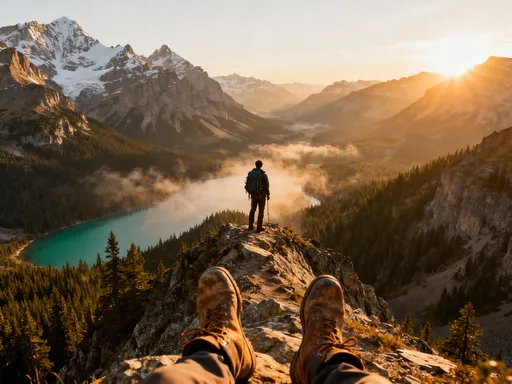
I’ve seen a lot of places, but Banff’s natural areas hit different. Towering peaks, glassy lakes, and wildlife just living their best lives—it’s like nature’s greatest hits playlist. I went searching for peace and found way more: hidden trails, alpine meadows bursting with color, and moments so quiet you can hear your soul breathe. This isn’t just sightseeing—it’s soul-searching with hiking boots on. If you’re craving raw, untouched beauty, Banff delivers. Every switchback reveals something sacred, every ridge line whispers stillness. It’s not just a destination; it’s a reminder of how vast and wondrous the world truly is.
Why Banff Stands Out in Canada’s Wilderness
Banff National Park, established in 1885, holds the distinction of being Canada’s first national park and a designated UNESCO World Heritage Site. This recognition is not merely ceremonial—it reflects the park’s exceptional natural value and its role as a global model for mountain conservation. Nestled in the heart of the Canadian Rockies, Banff spans over 6,600 square kilometers of pristine wilderness, where glacial rivers carve through deep valleys and ancient forests shelter some of North America’s most iconic wildlife. What truly sets Banff apart is its balance between accessibility and preservation, allowing millions to experience its beauty without sacrificing ecological integrity.
The park’s alpine ecosystem is both fragile and resilient, shaped by millennia of geological forces and climatic shifts. From subalpine meadows carpeted in wildflowers to high-elevation tundra where only the hardiest plants survive, Banff supports an extraordinary range of biodiversity. Species like the grizzly bear, wolverine, and bull trout rely on these interconnected habitats, making the park a vital refuge in an era of habitat fragmentation. Parks Canada enforces strict land-use policies, limits development, and monitors visitor impact to ensure that human presence does not overwhelm the environment. These measures have made Banff a benchmark for protected areas worldwide.
Another factor that distinguishes Banff is its long-standing commitment to sustainable tourism. Unlike many mountain destinations that prioritize convenience over conservation, Banff integrates environmental education into the visitor experience. Interpretive centers, ranger-led programs, and clearly marked trails all emphasize respect for nature. Shuttle systems reduce traffic congestion in sensitive zones like Lake Louise, while campground reservations help manage human footprint. The result is a park that welcomes over four million visitors annually while maintaining the health of its ecosystems—a rare and commendable achievement in modern ecotourism.
The Magic of Its Iconic Natural Landscapes
No discussion of Banff would be complete without acknowledging its most celebrated landmarks—Lake Louise, Moraine Lake, and the Icefields Parkway—each a masterpiece of natural design. Lake Louise, with its striking turquoise waters fed by the melt of the Victoria Glacier, sits in a bowl surrounded by towering peaks and dense conifer forests. The color of the lake, caused by fine glacial silt suspended in the water, shifts with the light, creating a dynamic canvas that changes from dawn to dusk. Though popular, it remains a place of profound beauty, especially in the early morning when mist rises like breath from the surface.
Moraine Lake, often considered even more breathtaking, lies in the Valley of the Ten Peaks. Its vivid blue hue and dramatic mountain backdrop have made it one of the most photographed locations in Canada. Accessible only seasonally due to avalanche risk, the lake rewards visitors with a sense of exclusivity. The Rockpile Trail, though short, offers a panoramic view that feels almost sacred. The surrounding area is geologically significant, shaped by ancient glaciers that carved deep U-shaped valleys and left behind moraines—hence the lake’s name. These landscapes are not static; they continue to evolve, shaped by ice, water, and time.
The Icefields Parkway, stretching 232 kilometers from Lake Louise to Jasper, is frequently described as one of the most scenic drives on Earth. Along this route, travelers pass over high mountain passes, alongside cascading waterfalls, and beneath the shadows of massive icefields. The Columbia Icefield, the largest in the Canadian Rockies, feeds eight major river systems and can be explored via guided ice walks or the specially designed Ice Explorer vehicle. The parkway itself is more than a road—it’s a corridor through time, revealing layers of rock that tell the story of continental collision and uplift millions of years ago. Each turn offers a new vista, each kilometer deepens the sense of awe.
Hidden Gems Beyond the Postcard Views
While the famous sites draw well-deserved attention, some of Banff’s most profound experiences lie off the beaten path. Trails like Taylor Lake, Egypt Lake, and the Sawback Trail offer solitude, intimacy, and a deeper connection to the wilderness. Taylor Lake, accessible via the Taylor Canyon trailhead, winds through a narrow gorge before opening into a high alpine basin where the lake mirrors the surrounding cliffs. Fewer visitors make the 10-kilometer round-trip hike, but those who do are rewarded with quiet reflection and frequent sightings of pika and marmot among the rocks.
Egypt Lake, reachable via the Healy Pass route or a longer trek from Sunshine Village, feels like stepping into another world. Nestled in a remote valley, this area is part of a larger backcountry network that includes alpine meadows ablaze with wildflowers in late summer. The Egypt Lake Shelter, maintained by Parks Canada, provides basic accommodations for overnight hikers, allowing for a full immersion in the rhythms of nature. At night, the absence of light pollution reveals a sky dense with stars, undimmed by city glow. These experiences are not about convenience—they’re about presence.
The Sawback Trail, named for the jagged ridge that resembles a saw blade, offers multi-day backpacking through some of the park’s least disturbed terrain. With minimal signage and no cell service, it demands preparation and self-reliance. Yet this very remoteness is its appeal. Hikers traverse snow-dappled passes, ford clear streams, and camp beside unnamed lakes tucked between peaks. Staying on marked trails is essential to protect fragile vegetation, and all waste must be packed out. These areas remind us that true wilderness is not a backdrop for adventure—it is a living system that requires our care.
Wildlife in Its Natural Habitat: What I Actually Saw
One of the most humbling aspects of visiting Banff is the chance to observe wildlife in its natural setting—not in enclosures or on screens, but alive and free. During my early morning hike near Johnston Canyon, I watched a herd of elk graze peacefully in a meadow, their breath visible in the crisp air. A bull raised his head slowly, eyes locking with mine for a brief moment before returning to his meal. No fear, no aggression—just coexistence. These encounters are not staged; they happen because Banff protects corridors that allow animals to move freely across the landscape.
Further into the backcountry, signs of bear activity become more common. I once spotted a black bear foraging along a hillside, more interested in berries than in me. While exhilarating, such moments require caution. Carrying bear spray, making noise on trails, and traveling in groups are essential safety practices. I followed Parks Canada guidelines strictly, staying at least 100 meters away and never approaching. Grizzly bears, though less frequently seen, also inhabit these regions, and their presence underscores the importance of respecting wildlife boundaries. Rangers report increasing bear sightings near trails, a sign that conservation efforts are working—but also a reminder that humans are guests in their home.
Mountain goats, with their shaggy white coats and sure-footed grace, are another highlight. I saw a pair perched on a steep cliff near the Larch Valley trail, seemingly defying gravity. These animals are adapted to extreme altitudes and rugged terrain, where few predators can reach them. Bighorn sheep, mule deer, and red squirrels also thrive in Banff, contributing to a complex web of life. Birdwatchers may spot golden eagles soaring above valleys or Clark’s nutcrackers flitting through pine forests. Every sighting feels like a gift, a fleeting glimpse into a world that exists beyond human schedules and demands.
Best Seasons to Visit and How Weather Shapes the Experience
Timing is everything when planning a trip to Banff, as each season transforms the park in dramatic ways. Summer, from late June to early September, is the most popular time to visit. Temperatures range from 15°C to 25°C, making it ideal for hiking, canoeing, and wildlife viewing. Most high-elevation trails are snow-free, and wildflowers bloom in abundance. However, this is also peak tourist season, so early reservations and weekday visits can help avoid crowds. Mosquitoes can be bothersome in July, especially near wetlands, so insect repellent is advisable.
Fall, particularly September and early October, offers a quieter alternative with stunning visual rewards. The larch trees in areas like Larch Valley and Paradise Valley turn brilliant gold, creating a contrast against evergreen forests and snow-dusted peaks. Daytime temperatures hover between 5°C and 15°C, requiring layered clothing. This season is favored by photographers and experienced hikers who appreciate the reduced foot traffic and crisp air. However, trail conditions can change rapidly—early snowfall may close high-altitude routes, so checking trail reports daily is essential.
Winter, from November to March, turns Banff into a snow-covered wonderland. Temperatures often dip below -10°C, sometimes reaching -20°C, but the cold brings its own magic. Cross-country skiing, snowshoeing, and ice walking on frozen waterfalls are popular activities. The frozen surface of Lake Louise hosts the annual Ice Magic Festival, where sculptors carve intricate designs from blocks of ice. While some roads and trails are closed, winter shuttles ensure access to key sites. Proper gear—insulated boots, thermal layers, and traction devices—is crucial for safety and comfort.
Spring, from April to early June, is a transitional period marked by melting snow and unpredictable weather. Trails at lower elevations begin to dry out, but higher routes remain snowbound. This is one of the quietest times to visit, with fewer tourists and lower accommodation rates. However, spring runoff can make rivers swollen and dangerous to cross, and avalanche risk persists in certain zones. It’s a season for patience and flexibility, best suited for those who enjoy solitude and don’t mind adjusting plans based on conditions.
Smart Planning Tips for an Unforgettable Trip
Preparation is the key to a safe and rewarding experience in Banff. The park’s popularity means that key resources—shuttle passes, campgrounds, and backcountry permits—can book out months in advance, especially for summer and fall visits. The Parks Canada reservation system is user-friendly but competitive; setting calendar reminders and having backup dates increases your chances of securing preferred spots. For instance, the Moraine Lake shuttle requires advance booking, and private vehicles have been restricted since 2023 to reduce congestion and environmental impact.
Campers should research options carefully. Front-country sites like Tunnel Mountain and Two Jack Lakeside offer amenities and proximity to town, while backcountry sites like Egypt Lake or Helen Lake provide immersion in nature. Reservations open on specific dates each year, so marking those on your calendar is critical. If camping isn’t available, lodges and guesthouses in Banff townsite fill quickly—booking accommodations at least six months ahead is wise for peak seasons.
Packing appropriately enhances both comfort and safety. Essentials include a detailed topographic map (even with GPS), a first-aid kit, extra food and water, a headlamp, and weather-resistant clothing. Layering is vital due to rapid temperature changes at altitude. A bear spray canister should be carried openly and known how to use. For hikers, a lightweight backpack with a rain cover, trekking poles, and a repair kit can make long trails more manageable. Leave No Trace principles—pack out all trash, avoid feeding wildlife, and stay on designated paths—must be followed to protect the park’s delicate ecosystems.
Equally important is choosing when and where to go. To avoid crowds, consider visiting on weekdays, starting hikes early in the morning, or exploring lesser-known trails. The park’s official website and visitor centers provide up-to-date trail conditions, wildlife alerts, and safety notices. Engaging with park rangers or attending orientation sessions can deepen understanding and improve decision-making. Smart planning isn’t just about logistics—it’s about honoring the land by minimizing impact while maximizing connection.
Why Protecting Banff’s Nature Matters More Than Ever
The growing number of visitors to Banff is a testament to its beauty, but it also presents challenges. Trails erode under heavy foot traffic, wildlife alters behavior due to human presence, and litter—even small amounts—accumulates in remote areas. Climate change adds another layer of pressure: glaciers are receding, snowpacks are shrinking, and plant and animal ranges are shifting. The Peyto Glacier, visible from the Icefields Parkway, has lost nearly 20% of its volume since the 1980s. These changes are not distant threats—they are unfolding in real time, visible to anyone who returns year after year.
Conservation efforts in Banff are robust but require ongoing support. Parks Canada implements adaptive management strategies, such as seasonal trail closures to protect nesting birds or calving elk. Wildlife crossings—overpasses and underpasses along the Trans-Canada Highway—have reduced animal-vehicle collisions by over 80%, proving that infrastructure can coexist with nature. Research programs monitor water quality, air pollution, and species health, providing data that informs policy. Yet these initiatives depend on public cooperation and awareness.
Visitors play a crucial role in preservation. Choosing to stay on trails, packing out waste, and respecting wildlife distances may seem small, but collectively they make a significant difference. Supporting eco-conscious businesses, participating in clean-up events, and educating others about responsible travel amplify impact. Every decision—whether to take a shuttle, leave flowers unpicked, or skip a risky shortcut—contributes to the park’s long-term health. Banff is not just a place to visit; it is a trust we hold for future generations.
The emotional value of Banff cannot be overstated. In a world that often feels rushed and artificial, it offers stillness, wonder, and a sense of belonging to something greater. It reminds us that wild spaces are not luxuries—they are necessities for the human spirit. As more people seek solace in nature, the need to protect these places grows more urgent. Banff’s mountains, lakes, and forests are not just scenery; they are living, breathing parts of a fragile web we are lucky to witness. Let us explore with reverence, tread lightly, and ensure that the magic I found in its backcountry remains for others to discover, long into the future.