You Gotta Taste This: Portland’s Food Scene Blew My Mind
Food in Portland isn’t just a meal—it’s a full-on adventure. I went in looking for a quick bite and left with stories, stains on my jacket, and a serious case of FOMO every time I passed another neon-lit cart. From tiny ramen shacks to farm-to-table spots where the chef knows your name, this city serves flavor with zero pretension. If you think you know Pacific Northwest cuisine, think again. Portland’s culinary identity is built on curiosity, community, and an unshakable belief that good food should be accessible, honest, and wildly delicious. It’s not about Michelin stars or velvet ropes—it’s about the sizzle of garlic in a wok at a sidewalk cart, the warmth of sourdough straight from a wood-fired oven, and the quiet pride of a server explaining how the beets on your plate were pulled from the soil that morning. This is a place where food lovers don’t just eat—they explore, connect, and remember.
Why Portland’s Dining Scene Stands Out
Portland’s reputation as a food lover’s paradise isn’t accidental—it’s rooted in a culture that values creativity, sustainability, and authenticity above all else. Unlike other major U.S. cities where fine dining often comes with formality and high prices, Portland’s best meals frequently come without tablecloths or dress codes. What sets the city apart is its deep connection to the land. Nestled between the Cascade Mountains and the Pacific Coast, Portland sits at the heart of one of the most fertile agricultural regions in the country. This geographic advantage means ingredients arrive at restaurants with remarkable freshness, often within hours of harvest.
The city’s chefs don’t just use local produce—they celebrate it. Menus change with the seasons, sometimes weekly, reflecting what’s thriving in nearby farms and forests. Wild mushrooms foraged from the Columbia River Gorge, berries from the Willamette Valley, and sustainably caught salmon from coastal waters aren’t just ingredients—they’re storytelling tools. Diners aren’t just eating; they’re tasting the region’s rhythm. This farm-centered philosophy extends beyond vegetables and proteins. Even condiments and pantry staples, like honey, vinegar, and miso, are often made in-house or sourced from regional artisans.
Equally important is Portland’s inclusive food culture. There’s no gatekeeping here. Whether you’re spending $15 on a loaded bánh mì or $80 on a multi-course tasting menu, you’re treated with the same respect. The city embraces culinary risk-takers, from immigrant families serving generations-old recipes to young chefs experimenting with fermentation and smoke. This openness has created a dining landscape that feels alive—constantly evolving, yet deeply grounded in place. It’s not about chasing trends; it’s about expressing identity through food, one honest bite at a time.
The Food Cart Magic: More Than Just a Trend
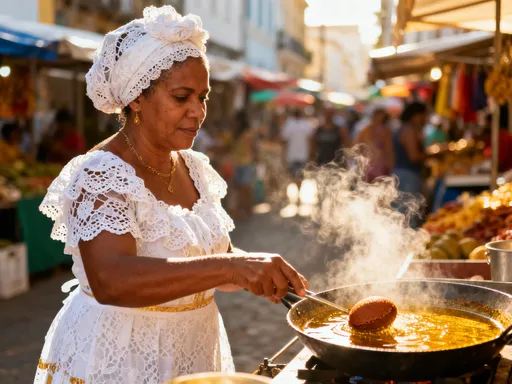
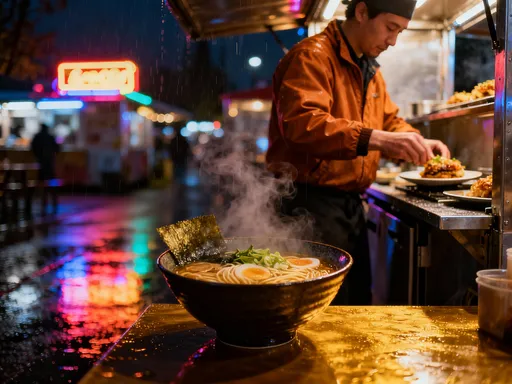
If Portland has a culinary heartbeat, it pulses in its food cart pods. These clusters of mobile kitchens are more than convenient lunch stops—they’re cultural hubs, innovation labs, and community spaces all rolled into one. Scattered across neighborhoods like Old Town, Southeast 12th Avenue, and Revolution Hall, these pods house dozens of vendors serving everything from Oaxacan tamales to Thai boat noodles to vegan donuts. The variety is staggering, and the prices are often unbeatable, with most dishes ranging from $8 to $14.
What makes the food cart scene truly special is its authenticity. Many vendors are first- or second-generation immigrants, bringing family recipes to the streets of Portland with pride and precision. Others are aspiring restaurateurs using carts as low-barrier entry points into the industry. This entrepreneurial spirit fosters creativity. You’ll find bold fusions—like bulgogi tacos, curry goat poutine, or matcha churros—that reflect the city’s diverse palate and adventurous spirit. Unlike chain fast food, these meals are made to order, with care and attention to detail.
The atmosphere at a food cart pod is equally inviting. Communal picnic tables encourage conversation. Strangers share tables, swap recommendations, and bond over shared discoveries. There’s a sense of camaraderie, a feeling that everyone is in on the same delicious secret. Many pods also host live music, holiday markets, and seasonal events, turning meals into full experiences. For visitors, the cart scene offers a stress-free way to sample a wide range of flavors without committing to a full restaurant visit. It’s dining as exploration—accessible, affordable, and endlessly exciting.
Moreover, the city’s support for food carts is institutional. Portland has clear zoning laws, permitting processes, and infrastructure like shared restrooms and waste disposal, making it easier for vendors to operate legally and safely. This stability allows small businesses to thrive, contributing to the city’s economic diversity. For diners, it means consistency and quality. You’re not just grabbing street food—you’re supporting real people with real dreams, one plate at a time.
Farm-to-Table Done Right: Restaurants Rooted in the Land
While food carts showcase Portland’s spontaneity, its farm-to-table restaurants reveal its depth. These establishments take the city’s agricultural wealth and turn it into refined, intentional dining experiences. Unlike token “seasonal specials” at mainstream restaurants, Portland’s top farm-focused spots build their entire philosophy around what’s growing nearby. Menus are often printed weekly—or not at all—because chefs design dishes based on that morning’s delivery from partner farms.
One standout example is a restaurant in the Alberta Arts District that sources nearly 90% of its ingredients from within a 100-mile radius. Their summer menu might feature grilled zucchini blossoms stuffed with goat cheese from a nearby dairy, heirloom tomato salad with basil oil and sunflower seeds, and a duck breast glazed with blackberry reduction. In winter, the focus shifts to roasted root vegetables, braised lamb, and warm grain bowls with fermented vegetables. The menu isn’t static—it’s a reflection of the land’s natural cycles.
Transparency is key. Many of these restaurants list their farm partners on the menu or website, sometimes even including the names of the farmers. Diners can feel confident that their meal supports sustainable practices and fair labor. Some establishments go further, hosting farm tours, harvest dinners, or chef collaborations with growers. This direct relationship fosters trust and deepens the dining experience. You’re not just eating food—you’re participating in a system that values care, connection, and environmental responsibility.
The atmosphere in these restaurants matches their ethos. Interiors are warm and unpretentious—exposed brick, reclaimed wood tables, and soft lighting. Service is knowledgeable but never condescending. Staff often explain the provenance of dishes with genuine enthusiasm, inviting guests to slow down and appreciate each component. This is food that asks to be savored, not rushed. For visitors, a meal at one of these spots isn’t just dinner—it’s an education in regional cuisine and a reminder of how delicious sustainability can be.
Coffee & Craft Culture: Fueling the City’s Flavor
In Portland, great food doesn’t stand alone—it’s supported by a thriving coffee and craft beverage scene that shapes the city’s daily rhythm. Coffee here is treated as both art and necessity. Local roasteries like those in the Central Eastside Industrial District and Northwest neighborhoods have built reputations for precision roasting, single-origin beans, and minimalist brewing methods. A morning pour-over isn’t just caffeine—it’s a ritual, a moment of calm before the day unfolds.
What sets Portland’s coffee culture apart is its balance of quality and accessibility. You won’t find overpriced lattes with obscure names. Instead, baristas focus on clarity, balance, and consistency. Milk is often sourced from local dairies, and pastries come from nearby bakeries using seasonal ingredients. Many cafes double as community spaces, hosting book clubs, art shows, or acoustic sets. For families and solo visitors alike, these spots offer a welcoming place to pause, reflect, and recharge.
The craft beer movement runs just as deep. Portland is often called “Beervana” for good reason—it has more breweries per capita than any other U.S. city. From small taprooms in converted garages to sprawling production facilities, the beer scene emphasizes experimentation and flavor. You’ll find crisp pilsners, hazy IPAs, sour ales aged in wine barrels, and stouts infused with local coffee or hazelnuts. Many breweries collaborate with restaurants, offering beer pairings that elevate dishes in surprising ways.
But it’s not just about alcohol. The city’s love for fermentation extends to kombucha, shrubs, and house-made sodas, often served alongside meals. Non-alcoholic options are thoughtfully crafted, not afterthoughts. This attention to detail reflects Portland’s broader culinary values: inclusivity, creativity, and respect for ingredients. Whether you’re sipping a cold brew on a Sunday morning or sharing a flight of experimental ales with friends, you’re tasting the city’s passion for craftsmanship in liquid form.
Hidden Gems Beyond Downtown
While downtown and the Pearl District draw crowds, some of Portland’s most memorable meals happen off the beaten path. Neighborhoods like St. Johns, Woodstock, and Montavilla may not appear on every tourist map, but they’re where locals go for authenticity and value. These areas offer a slower pace, family-run businesses, and culinary traditions passed down through generations.
In St. Johns, a small Ethiopian restaurant tucked behind a hardware store serves injera so fresh it’s still warm from the griddle. The owner greets regulars by name and offers extra berbere spice for those who dare. A few miles south, a Montavilla diner has been serving homemade biscuits and gravy since the 1970s. The counter is lined with teachers, nurses, and retirees who come for the consistency and kindness. There’s no Wi-Fi, no Instagrammable decor—just good food and conversation.
Woodstock boasts a bakery that opens at 6 a.m. and sells out by 10 a.m. Their sourdough croissants, filled with seasonal jam or roasted garlic and cheese, have developed a cult following. Lines form early, but the staff hands out samples while you wait, turning strangers into friends. These spots don’t rely on marketing—they thrive on word of mouth and repeat customers. For visitors willing to venture beyond the center, they offer a more intimate, human-scale experience of Portland.
Exploring these neighborhoods also supports economic equity. Many small businesses in these areas operate on narrow margins, and every dollar spent makes a difference. By choosing to eat in these communities, visitors contribute to a more balanced, inclusive food economy. Plus, the lack of tourist traffic means shorter waits, warmer service, and the thrill of discovery. You’re not just eating—you’re uncovering a deeper layer of the city’s soul.
How to Eat Smart in Portland: Tips for Visitors
To truly enjoy Portland’s food scene, a little planning goes a long way. First, embrace flexibility. Many of the best spots don’t take reservations, especially food carts and casual restaurants. Going during off-peak hours—like 5 p.m. for dinner or 11 a.m. for lunch—can help you avoid long lines. If you do face a wait, use it as an opportunity to explore the pod or browse a nearby bookstore.
Cash is still king at many food carts and small eateries. While more vendors now accept cards or mobile payments, it’s wise to carry at least $20 in cash. Some carts even offer discounts for cash payments, so it’s a win-win. Also, download a few local apps—like “Portland Food Cart Finder” or “Dishdot”—to see real-time cart locations, daily specials, and customer reviews. These tools can help you navigate the city’s ever-changing food landscape with confidence.
Seasonality matters. If you’re visiting in summer, don’t miss the berry-heavy desserts, fresh corn, and stone fruit salads. Fall brings apples, pears, and wild mushrooms. Winter highlights root vegetables and hearty stews. Spring offers tender greens, rhubarb, and the first asparagus. Checking restaurant websites or calling ahead can give you a preview of what’s fresh and featured.
Finally, practice respectful dining etiquette. Portland values sustainability, so avoid wasting food. Many restaurants use compostable or reusable containers—follow their disposal guidelines. Tipping 15–20% is standard, even at carts. And if a chef or server shares the story behind your meal, listen. That connection—between grower, cook, and eater—is what makes Portland’s food scene so meaningful.
The Soul of Portland on a Plate
At its core, Portland’s food scene is a reflection of the city itself—curious, kind, and unafraid to be different. It’s a place where a taco truck can serve kimchi quesadillas with the same pride as a fine dining chef plating a foraged mushroom risotto. The common thread isn’t style or status—it’s intention. Every meal, from a $3 empanada to a $100 wine pairing, is made with care, respect, and a desire to share something real.
For visitors, especially those in their 30s to 50s managing busy lives and family responsibilities, Portland offers a rare gift: the chance to slow down and reconnect with the simple joy of eating well. There’s no pressure to perform, no need to dress up. Just good food, honest people, and the freedom to explore at your own pace. Whether you’re traveling solo, with a partner, or with kids, the city welcomes you with warmth and flavor.
More than just a destination, Portland is an invitation—to taste boldly, to support small businesses, to appreciate where food comes from, and to find connection in shared meals. It reminds us that the best experiences aren’t always the most luxurious, but the most human. So when you visit, don’t rush. Sit at the counter. Ask questions. Try the thing you can’t pronounce. Let the city’s flavors guide you, one unforgettable bite at a time. Because in Portland, every meal is a story waiting to be lived.